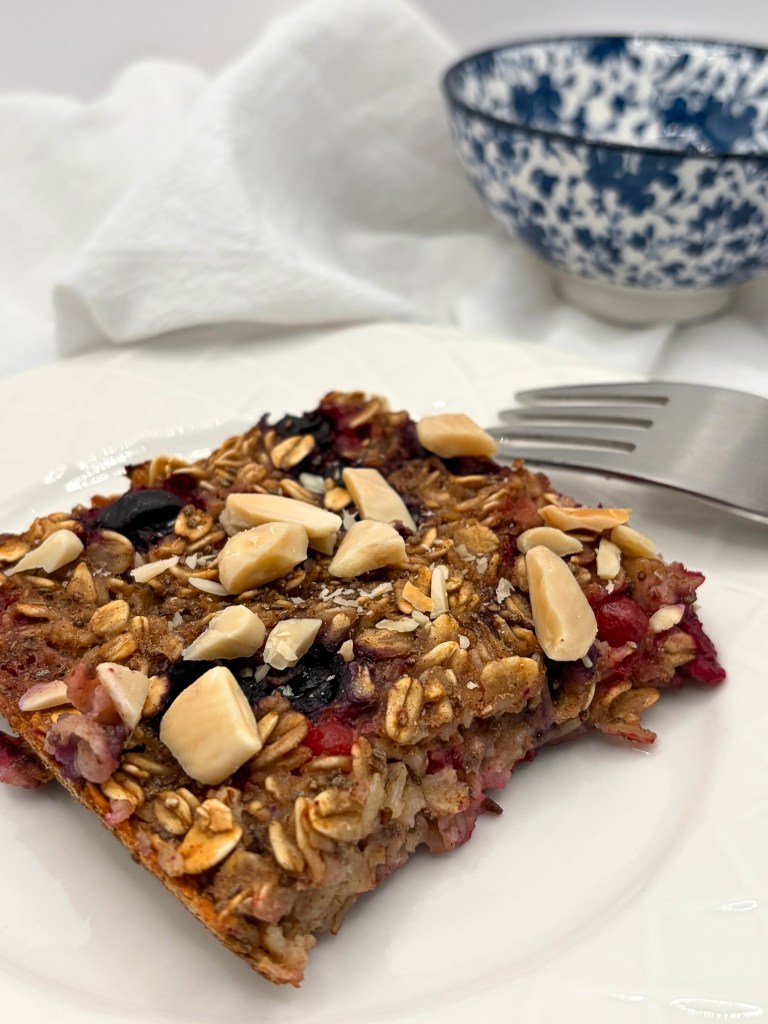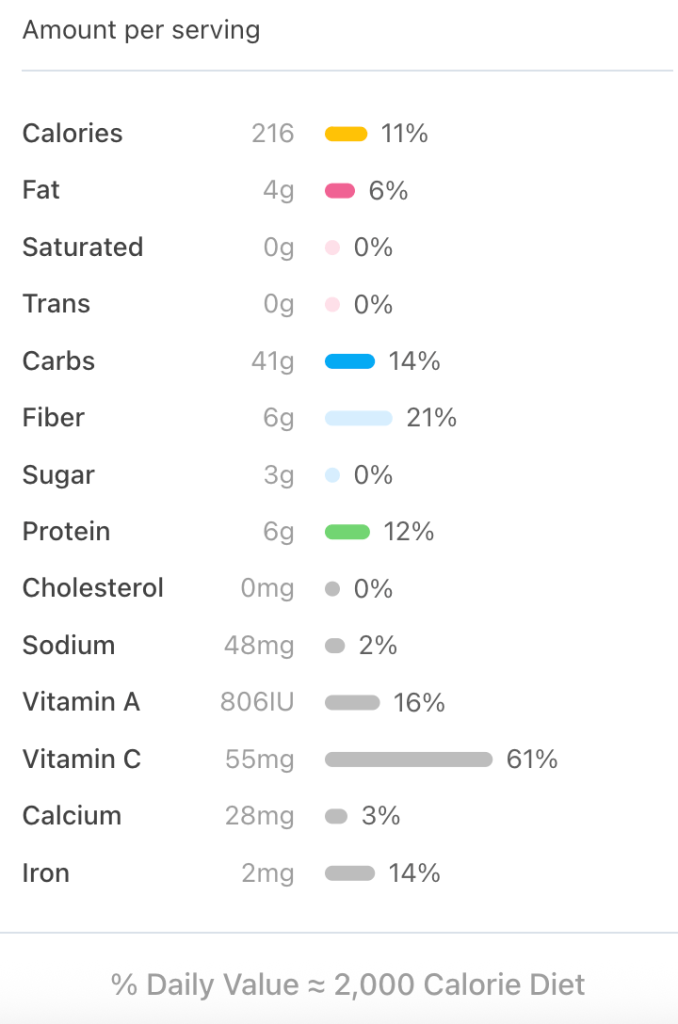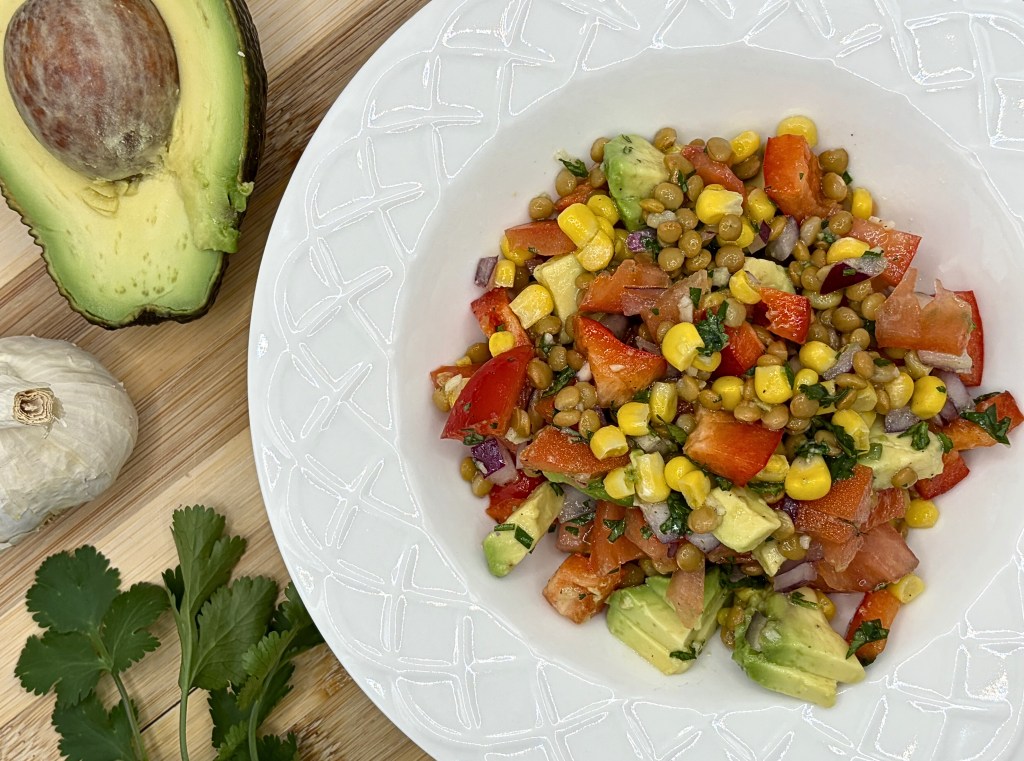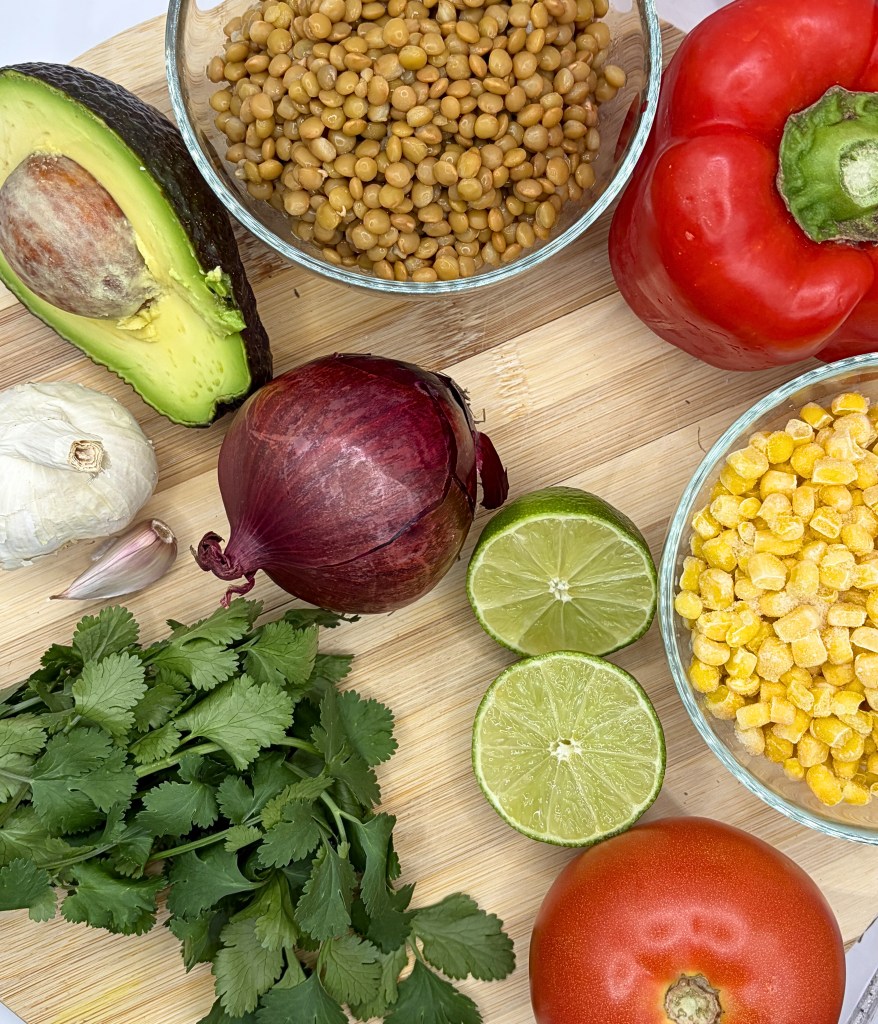
Vegan Blueberry French Toast

Sometimes, you just crave a sweet, delicious and satisfying start to your day, and that’s exactly what this vegan blueberry french toast is – without the added sugar! We’ve re-made the classic french toast into a higher fiber, less sugar, but equally delicious breakfast. The banana, blueberries and cinnamon bring a natural sweetness along with the coconut oil used in cooking the toast. Dare I say this vegan french toast is even better than the classic original? More delicious, healthier, and a recipe the whole family will love. What are you waiting for?

Ingredients for Vegan Blueberry French Toast:

Banana- A ripe banana is best, and is going to give the french toast it’s sweetness, without adding any sugar, and it is also delicious grilled on the toast. It gives the liquid mixture you dip your toast in before grilling, a better consistency and holds everything together. It is essential for a delicious vegan french toast.

Chia Seeds- This ingredient adds a bit more nutritious value to the recipe. Chia seeds are high in fiber and a great source of plant-based omega 3’s making this meal even better for your gut and heart health.

Unsweetened Almond Milk- It’s important you get unsweetened milk here, to avoid the added sugar and calories, as we will get our sweetness for the toast from more natural sources, like the banana and blueberries. Any plant-based milk will work here if you don’t happen to have almond milk on hand.

Cinnamon- This also adds a natural sweetness flavor without any extra sugar. It’s a great way to trick the mind into thinking you’re eating something sweet. It also brings out the flavor in all the other ingredients.

Coconut Oil- To cook the french toast, we use coconut oil so it doesn’t stick to the pan. Other oils can be used, but coconut oil adds a slight coconut-ty flavor, and really adds to the flavor making the french toast absolutely delicious.

Gluten Free Bread (or Sourdough)- I used Sourdough made at a local bakery. Obviously if you are gluten free, choose gluten free. We know that sourdough bread is much better for us than white bread, as it helps to reduce blood sugar spikes, helping to stabilize our energy, mood, hormones and weight.

Frozen Blueberries- Studies have linked regular blueberry intake to improved memory, cognitive function, and slower age-related cognitive decline, meaning these little babies need to be a regular part of your diet! And the good news is, frozen blueberries maintain all the health benefits as fresh blueberries and can be saved and eaten all year round!

Maple Syrup- To add a bit of sweetness we add maple syrup right on top of our blueberry french toast at the end. This is completely optional as even without this extra ingredient, the french toast with the blueberries is sweet enough and absolutely delicious on it’s own.

Ingredients:

  • 1 Banana (ripe)
  • 1 1/2 tbsps Chia Seeds
  • 3/4 cup Unsweetened Almond Milk
  • 1 tsp Cinnamon
  • 1 1/2 tbsps Coconut Oil
  • 6 slices Gluten-Free Bread (or sourdough)
  • 1 cup Frozen Blueberries (wild)
  • 1 1/2 tbsps Maple Syrup

Directions:

  1. In a large, shallow bowl mash the banana. Add the chia seeds, almond milk, and cinnamon. Let stand for about 5 minutes. During this time, heat a non-stick skillet over medium heat and grease with coconut oil.
  2. Dip the bread slices into the banana mixture, making sure each side is coated, then immediately transfer them to the skillet. Cook for about 4 minutes per side, flipping carefully. Continue until all pieces of french toast are cooked.
  3. While the french toast is cooking, add the frozen wild blueberries to a small saucepan. Heat over medium-high heat until the berries become soft and the juices are released.
  4. Divide the french toast between plates and top with wild blueberries and maple syrup. Enjoy!

Notes:

No Blueberries? Use raspberries, strawberries, blackberries or peaches instead.

Health Insights:

  • Dietary Fiber- This recipe is rich in dietary fiber, thanks to ingredients like chia seeds, banana, and gluten-free bread. Dietary fiber aids in digestion, helps maintain a healthy weight, and lowers the risk of diabetes and heart disease.
  • Antioxidants- Blueberries and cinnamon in this recipe are packed with antioxidants. Antioxidants help to protect your body from free radicals, which are unstable molecules that can damage your cells and contribute to aging and diseases, such as cancer.
  • Healthy Fats- The coconut oil and chia seeds in this recipe provide healthy fats. These fats are essential for brain function, nutrient absorption, and cell growth. They also help to reduce inflammation and can lower the risk of heart disease.

Part One: Intermittent Fasting and the Rhythm of the Body

Intermittent fasting has become part of everyday wellness conversations, but what makes it interesting is not the trend itself. It is the reason it works for so many people. At its heart, intermittent fasting is about rhythm. About giving the body predictable periods of sustenance and predictable periods of rest. Much like Pilates, it is not about extremes. It is about awareness and alignment.

Intermittent fasting simply means taking intentional breaks from eating. Instead of eating from early morning until late at night, food is enjoyed within a consistent window during the day, allowing the body time to digest, reset, and recover overnight. For many people, this shift feels surprisingly natural.

Why Timing Matters More Than We Think

Our bodies follow an internal clock called the circadian rhythm. This clock influences digestion, hormones, metabolism, and even how efficiently we burn or store energy. Earlier in the day, our bodies are better equipped to handle food. Metabolism is more active. Insulin sensitivity is higher. Carbohydrates are processed more efficiently.

As the day progresses, these processes slow down. This means the same food eaten late in the evening is more likely to raise blood sugar, increase circulating fats, and be stored as body fat compared to when it is eaten earlier.

This is not about good foods or bad foods. It is about biological timing. When eating happens late at night, the body is working against its natural rhythm rather than with it.

This is one of the reasons late dinners and nighttime snacking are so strongly associated with weight gain, digestive discomfort, and disrupted sleep, even when calorie intake stays the same.

What Are the Benefits of Intermittent Fasting?

When eating is aligned with the body’s natural rhythm, several benefits tend to appear. Many people notice improved energy and fewer crashes throughout the day. Hunger becomes more predictable instead of constant. Digestion often improves, and sleep feels deeper when the body is not processing food late into the night.

From a metabolic standpoint, intermittent fasting can improve insulin sensitivity and help regulate blood sugar. It often supports weight management without the mental load of calorie counting, simply by reducing grazing and late night eating.

Perhaps most importantly, it encourages a calmer relationship with food. Meals become more intentional. Eating becomes something that happens during the day, not all day.

A Gentle Starting Point

Intermittent fasting does not need to be dramatic to be effective. Even a twelve hour overnight break between dinner and breakfast can support metabolic health.

For many people, finishing dinner earlier in the evening is the most impactful and least disruptive place to begin. This simple change alone can create noticeable improvements in energy, sleep, and digestion.

In Part Two, we will explore different intermittent fasting methods, which timing windows tend to work best, and whether more extreme approaches like alternate day fasting are actually necessary.

Sources:

Does Intermittent Fasting Increase Human Life Expectancy?
https://nutritionfacts.org/video/does-intermittent-fasting-increase-human-life-expectancy
NutritionFacts.org general Fasting topic page
https://nutritionfacts.org/topics/fasting

Intermittent fasting and circadian rhythms through gut microbiome interactions
https://pubmed.ncbi.nlm.nih.gov/33530881/
Effects of intermittent fasting on hormone circadian rhythms
https://pubmed.ncbi.nlm.nih.gov/34474513/
Scoping review of intermittent fasting, chronobiology, and metabolism
https://pubmed.ncbi.nlm.nih.gov/34978321/

Lentil Masala Soup

This Lentil Masala Soup is perfect for a cold day when you’re craving just a bit of spice in your life. It’s just as nourishing as it is comforting, packed with plant-based protein and layered with aromatic flavors of garam masala, garlic and turmeric. This soup is simple, yet bold in flavor and deeply satisfying, all the while keeping you aligned with your health goals. It’s a feel-good staple to keep in your back pocket for those long winter months.

Ingredients for Lentil Masala Soup:

Coconut Oil- We use coconut oil to saute the onions and garlic , because the coconut flavor goes well with the Indian spices used later, along with the coconut milk that will be used. However, olive oil is also a viable option.

Red Onion- Did you know that as a general rule, fruits and vegetables with more color typically have a more antioxidants? Therefore, red onions are slightly healthier for you than their colorless counterparts. If you only have white or yellow onions on hand, they will work just fine in this recipe.

Garlic- An essential ingredient for most recipes, not only is it packed with a nutritional punch, it’s also loaded with flavor. In this case, it’s going to really help bring out the Indian spices.

Turmeric- Yes, it’s known for it’s anti-inflammatory properties but did you know it also calms your digestive system and supports your memory? It’s a powerful spice that brings so many health benefits to the table along with an influential flavor for delicious recipes.

Garam Masala- A traditional Indian blend of spices that are absolutely essential to this recipe. Don’t have it in your kitchen? Well, let me fully suggest you get some at some point, but don’t let that deter you from making this recipe. You can make a similar spice blend if you’ve got the ingredients on hand (coriander seeds, cumin seeds, cardamom pods, cloves, cinnamon stick, black peppercorns, nutmeg, bay leaves).

Sea Salt- Obviously, salt brings out more flavor in a dish. Depending on your current health and your goals feel free to add more or less than what is called for. For optimal flavor, add the full teaspoon.

Cilantro- This nutrient-rich, powerful, antioxidant-packed herb, supports your overall health. Its fresh, with a vibrant flavor that makes it an easy and tasty way to boost the nutrition of any meal. If you are one of the strange humans who does not like cilantro, you can omit it, but the soup won’t have the same bright and fresh flavor (although if you don’t like that, maybe that’s what you’re going for).

Vegetable Broth- To turn all these ingredients into a soup we need some liquid, vegetable broth works perfectly. When choosing your broth at the store, be sure to avoid the high sodium options to keep this recipe heart-healthy.

Diced Tomatoes- This is really the base of the soup. The diced tomatoes are great at soaking up the Indian flavors and are quite delicious in this blend of vegetables.

Red Lentils- The protein in this recipe is coming from the lentils. These little legumes are not only packed with protein, but also rich in fiber, vitamins and minerals. Lentils are considered one of the healthiest food choices around, so getting them into your diet weekly or even daily, should really be a goal for everyone.

Coconut Milk- From a can, this milk is very thick and adds richness, creaminess and the coconut flavor to the soup – complimenting the Indian spices – all while being dairy free, making this soup an excellent vegan choice.

Kale- This superfood blends in nicely with the flavors of this soup and is a great way to sneak in some extra vitamins and antioxidants.

Ingredients:

  • 1 1/2 tsps Coconut Oil
  • 1/2 cup Red Onion (finely diced)
  • 4 Garlic (cloves, minced)
  • 1 tsp Turmeric
  • 1 tbsp Garam Masala
  • 1 tsp Sea Salt
  • 1 cup Cilantro (finely diced)
  • 4 cups Vegetable Broth
  • 3 cups Diced Tomatoes
  • 1 cup Dry Red Lentils
  • 1 cup Canned Coconut Milk (full fat)
  • 4 cups Kale Leaves (finely sliced)

Directions:

  1. Heat coconut oil in a large stock pot over medium heat. Add the onions and saute for about 4 minutes or until translucent. Add in the minced garlic. Saute for another minute.
  2. Add in the turmeric, garam masala and sea salt. Stir for a minute or until spices are well mixed. Add in the cilantro, vegetable broth and diced tomatoes. Bring to a boil then reduce heat to a simmer.
  3. Add in the dry lentils, cover and cook for 15 to 20 minutes. Once the lentils are cooked through, add in the coconut milk. Stir well to mix, then add in the kale. Stir again until the kale is wilted. Turn off the heat. Ladle into bowls and enjoy!

Notes:

  • Leftovers- Refrigerate in an airtight container for up to four days. Freeze for up to two months.
  • Additional Toppings- Top soup with chopped cilantro, sliced almonds and/or a dollop of coconut yogurt.

Health Insights:

  • Antioxidants- This recipe is packed with ingredients high in antioxidants such as turmeric, kale, and tomatoes. Antioxidants help protect your body from free radicals, which are unstable molecules that can cause damage to your cells.
  • Dietary Fiber- The red lentils, kale, and tomatoes in this recipe contribute to its high fiber content. Dietary fiber aids in improving digestive health by adding bulk to your diet and promoting regular bowel movements.
  • Plant-Based Protein- Red lentils are a great source of plant-based protein, making this recipe a good choice for vegetarians and vegans. Protein is essential for building and repairing tissues in the body.

Pilates vs. Resistance Training: Which Is Better For Women?

With the social media fitness culture we have at the moment, I’m sure the thought has crossed your mind, “Should I be lifting heavy weights or is Pilates enough?” The quick answer: it depends on your goals. Both Pilates and resistance training have their own individual benefits, so understanding what they are and how they differ can help you decide what’s best for you and your health goals.

What is Pilates?

Pilates is a way of movement that emphasizes core engagement, alignment, breathing, and control using bodyweight or lighter resistance (like small weights or bands). It builds muscular endurance, improves posture, enhances proprioception, and balance, making it ideal for helping in daily life activities and injury prevention.

What is Resistance Training?

Resistance training refers to lifting with heavier weights (typically 70% or more of your one-rep max) and less repetitions. This type of training challenges your muscles to adapt by becoming stronger and larger over time. Heavy lifting includes exercises like squats, deadlifts, and presses under higher loads. This form of exercise is one of the most effective ways to increase overall strength and bone density (making it very beneficial for women as they age and lose bone mass).

Benefits of Pilates (Light Resistance)

  • Functional strength & endurance: Pilates helps muscles work efficiently through full ranges of motion and offers more focus on flexibility.
  • Core control & stability: Central to Pilates, core strength supports balance and injury prevention.
  • Mobility & alignment: Attention to breath and precision improves your movement and form (a foundational strength needed before progressing to heavier loads).
  • Joint-friendly: Lower load and low impact movements can be easier on joints, making it accessible for beginners or those in rehabilitation.

Benefits of Heavy Lifting

  • Muscle mass & total strength: Higher loads trigger greater hypertrophy and strength gains.
  • Bone health: Weight-bearing, high-load exercises help maintain or improve bone density which is especially important for women as they age.
  • Metabolic boost: More muscle raises resting metabolic rate (meaning you burn more calories at rest because you have more muscle), which supports body composition goals.
  • Enhanced performance: Higher force outputs translate to strength in everyday tasks.

So… Which is Better?

Neither Pilates nor resistance training is categorically “better.” Instead, they serve different functions:

GoalBest Fit
Core control & movement qualityPilates (light resistance)
Absolute strength & bone healthResistance Training
Muscle endurance & flexibilityPilates
Fat loss & metabolic healthBoth, when combined with nutrition

Many studies show that integrated programs yield greater overall results, blending functional control with progressive strength training leads to more balanced fitness gains.

Common Myths We Need to Bust

Myth: Lifting heavy makes women bulky.
Reality: Women typically don’t produce high levels of testosterone, so lifting heavy builds strength and lean muscle, not bulk. Heavy lifting also strengthens bones and supports long-term metabolic health.

Myth: Pilates isn’t “real” strength training.
Reality: Pilates builds functional strength crucial for daily life, athletic performance, and injury prevention. When combined with heavier load work, it completes the picture.

Both Are Beneficial

If your goal is long-term strength, confidence in your movement, and resilience in life and fitness, both approaches have a place. Pilates gives you control, efficiency, and endurance, while heavier strength training builds muscle, fortifies bone, and enhances power. Together, they create a balanced, empowering approach to strength and wellness.

At Redlands Barre, we celebrate all forms of movement that support your best self, whether it’s mindful mat work, barre, or stepping into heavier strength with confidence. What matters most is consistency, intention, and training that fits your life.

Lavender & Chamomile Tea Latte

This cozy and calming Lavender & Chamomile Tea Latte is perfect for a night at home curled up on the couch with a blanket and good book. It’s soothing effects from the chamomile and induced relaxed state from the lavender is a great way to calm your body and mind before bed, resulting in better sleep. It’s delicious, easy to make, and good for you – body and soul. Snuggle up, get comfy and let yourself rest and unwind.

Ingredients for Lavender & Chamomile Tea Latte:

Dried Chamomile Flowers- Chamomile is naturally calming – supporting sleep, digestion and stress relief. You can use loose leaf tea or the chamomile in tea bags, either one will work just fine.

Dried Lavender Flowers- Shown to lower anxiety and calm the nervous system… I think we could all use a little lavender in our lives! It’s great to be exposed to lavender in some way before bed to help you get a restful sleep. Whether that’s eating or drinking it, smelling it in a candle or using it as an essential oil. I got my lavender from a lavender farm, although some specialty or health grocery stores will have it. It is important to specifically use culinary lavender, as not all lavender varieties are safe for consumption.

Water- Hot water is used to steep the tea leafs and extract the flavor (and health benefits) from the dried flowers. We want the tea to be concentrated when the milk is added, so we use more tea and less water and let it steep for plenty of time to absorb the flavors.

Unsweetened Cashew Milk- Any milk of your choice will do. Oat milk is slightly thicker than other plant-based milks making it a great choice in a latte.

Honey- Adding a bit of sweetener really brings out all the flavors. If wanting to make this vegan, maple syrup can also be used in the place of honey.

Ingredients:

  • 1/16 oz Dried Chamomile Flowers
  • 1/16 oz Dried Lavender Flowers
  • 1/2 cup Water (hot)
  • 1/2 cup Unsweetened Cashew Milk
  • 1 tsp Raw Honey

Directions:

  1. Combine the dried chamomile and lavender in a tea infuser or tea bag in a mug. Steep in hot water for at least five minutes or until your desired strength.
  2. Heat the milk in a pot on the stove until hot. Alternatively, steam the milk with a steaming wand. Pour the milk into the mug and add the honey. Enjoy!

Notes:

  • Leftovers- Best enjoyed immediately.
  • Make it Vegan- Use maple syrup instead of honey.

Health Insights:

  • Relaxation- The chamomile and lavender in this recipe are known for their calming properties. They can help reduce stress and promote better sleep.
  • Bone Health- The cashew milk provides a source of calcium and vitamin D, both of which are essential for maintaining strong and healthy bones.
  • Sweetness- The raw honey in this recipe not only adds a touch of natural sweetness, but also contains antioxidants which can help protect the body from cell damage due to free radicals.

Carb Cycling: What It Is, How It Works, and If It’s Right for You

Let’s talk about another trend roaming around the fitness industry, and if it’s really all it’s hyped up to be. When it comes to nutrition strategies for improving body composition, performance, or managing energy, one approach that’s gained attention is carb cycling. From social media to fitness forums and diet blogs, you may have heard people praise it, but what exactly is carb cycling, and does it really work? In this post, we’ll break down a bit of the science, benefits, limitations, and practical considerations so you can decide if it’s worth trying.

What is Carb Cycling?

Carb cycling is a dietary strategy, most commonly used among athletes, where you alternate your carbohydrate intake depending on the day’s physical activities performed. Typically higher carbs on days you’re more active and lower carbs on rest or light activity days. Instead of eating a fixed amount of carbohydrates every day, you adjust your intake based on the energy needed for your specific workout that day.

For example:

  • High-carb days: coincide with intense workouts like heavy strength training or HIIT.
  • Moderate-carb days: associated with moderate effort or steady-state workouts.
  • Low-carb days: planned on rest days or light activity like yoga or walking.


The goal of this pattern is to fuel performance when it matters and reduce carbs when you don’t need as much fuel (potentially leading to fat loss while still gaining muscle).

How Carb Cycling is Supposed to Work

The underlying idea behind carb cycling is to match carbohydrate intake with energy needs:

  • On high-carb days, carbs help replenish glycogen, the stored form of carbohydrates your muscles use during intense exercise.
  • On low-carb days, lower carbohydrate intake may encourage the body to rely more on fat stores for energy.
  • Cycling carbs may also aim to support metabolic flexibility, the ability to efficiently switch between burning carbs and fat, although this concept has more theoretical than conclusive support in research.

In practice, carb cycling mixes the performance support of higher carbs with the potential fat loss benefits of lower carbs, but the strategy’s success still depends on overall calories, diet quality, and consistent habits. You still need sufficient protein to build muscle while fueling yourself with carbohydrates and a calorie deficit to lose fat. 

What the Science Actually Says

While the logic of carb cycling makes intuitive sense, especially for athletes and active individuals, research on this specific approach is still limited. There aren’t many long-term randomized controlled trials proving that carb cycling is superior to more traditional nutrition strategies like balanced macro diets or consistent calorie control. What researchers do agree on is that:

  • Carbohydrates are your body’s primary fuel source for high-intensity exercise and glycogen is critical for performance.
  • Strategic timing of carbs around workouts can help maintain energy and performance, even if the total carbohydrate target is moderate on other days.
  • Overall dietary patterns, including total calories and nutrient balance, are major drivers of weight loss and metabolic health, not just the timing of carbs alone.

In short, carb cycling has a logical foundation, but it isn’t a guaranteed or magical shortcut. Its effects tend to come from smart carbohydrate timing combined with consistent calories and quality whole foods. It’s also important to keep in mind that everyone’s body is different and while many may respond well to this type of diet, others may not see the same success.

Pros: Potential Benefits of Carb Cycling

Carb cycling can offer several advantages when applied thoughtfully:

1. Better Performance
Aligning high-carb days with intense training sessions helps ensure you have the necessary fuel and energy needed for hard workouts, better training quality, and recovery.

2. Flexible Planning
Unlike rigid low-carb diets, carb cycling provides a bit more flexibility. For example, high-carb days can align with social events or challenging workouts, easing psychological pressure. As carb-cycling is not a complete carb restriction diet, you are still able to indulge in good high-carb foods, often resulting in higher success rates of sticking to it.

3. Energy and Variety
Alternating carb levels can help reduce diet boredom and give your body the variety it might need for adaption and compliance. 

Some people also find that cycling carbs helps them manage hunger, maintain a balance between performance and body composition goals, and stay motivated. It really can be a great tool for some!

Cons: Potential Downsides & Challenges

Carb cycling isn’t perfect, and some drawbacks include:

1. Complexity and Tracking
To follow carb cycling, you often need to track macronutrients (carbs, protein, fats) and plan meals ahead, which can feel overwhelming or time consuming.

2. Not Ideal for Everyone
People with certain health conditions (like diabetes or other metabolic disorders) or those who find fluctuating carb intake stressful may not respond well. Careful blood glucose monitoring is important if you have sensitivity to carb changes.

3. Short-Term Evidence
There’s limited evidence on long-term effectiveness. The strategy may work well over a few weeks, but effects on long-term weight management haven’t been well established.

4. Psychological Stress
The need to constantly adjust macros can lead to obsessive tracking or unhealthy food relationships for some people.

Who Might Benefit Most from Carb Cycling?

Carb cycling is usually most effective for people who train consistently and intensely, such as:

  • Those lifting weights regularly
  • Endurance athletes or high-volume training schedules
  • People who already have experience tracking macros and nutrition
  • Athletes who have hit a plateau in their goals

For casual exercisers or beginners, simpler, more consistent dietary approaches often work just as well or better.

How to Try Carb Cycling

If you decide to explore carb cycling, here’s a simple framework to start:

High-Carb Days (Intense training days):

  • Include whole grains, fruits, legumes, and starchy vegetables
  • Example: oatmeal, brown rice, quinoa, sweet potatoes

Low-Carb Days (Rest/light activity):

  • Focus on lean proteins, non-starchy vegetables, nuts, and healthy fats
  • Example: leafy greens, salmon, chicken, avocado

Moderate-Carb Days (Lighter training):

  • Balanced intake of carbs, protein, and fats

Remember, these are starting points. Your specific needs depend on your body, goals, and activity level. Always consider seeing a registered dietitian for personalized guidance. We have excellent dietitians here at Redlands Barre, if you’re interested in looking into it further. 

Is Carb Cycling Worth it?

Carb cycling can be a tool for certain individuals, especially those who want to experiment with how nutrient timing affects performance and energy. But it’s not inherently superior to balanced, consistent eating patterns focused on whole foods, total nutrient quality, and sustainable habits.

For many people, focusing on nutrient-dense foods, sensible portions, and balanced energy intake will drive results just as effectively, if not more simply, than meticulously cycling carbohydrates. If you have been consistently exercising and eating well and seem to have hit a plateau, it might be something to consider trying.

Choose What’s Right For You

Carb cycling offers an interesting approach to nutrition, blending higher carbs for energy with lower carbs on lighter days, and it may benefit people with specific training or body composition goals. However, the science suggests that the biggest drivers of results are consistent dietary quality, meeting total energy needs, and aligning eating patterns with activity levels.

At Redlands Barre, we encourage you to approach nutrition with the same intention you bring to your movement: thoughtful, sustainable, and tailored to your life. Whether you’re exploring carb cycling or focusing on a balanced whole-food approach, choose strategies that support your goals without overwhelming you, because long-term results come from habits you can maintain.

Sources

EatingWell – Carb Cycling Diet Overview https://www.eatingwell.com/article/286043/carb-cycling-diet-what-is-it-does-it-work
WebMD – Carb Cycling Benefits & Overview https://www.webmd.com/diet/carb-cycling-overview
HealthIW – Macronutrient Cycling Pros and Cons https://healthiw.com/macronutrient-cycling
National Planning Cycles – What You Need to Know About Carb Cycling https://nationalplanningcycles.org/what-you-need-to-know-about-carb-cycling
Nutrisense Journal – Risks of Carb Cycling https://www.nutrisense.io/blog/carb-cycling
Prefusion Health – Pros and Cons of Carb Cyclinghttps://www.prefusionhealth.com/the-pros-and-cons-of-carb-cycling

Kale, Lentil & Sweet Potato Salad

A plate of Kale, Lentil & Sweet Potato Salad with the recipe name typed in black to the left of the plate in varying fonts.

January is all about fresh starts, finding your rhythm again, nourishing your body, and choosing foods that make you feel your best. This Kale, Lentil, and Sweet Potato Salad is one of those recipes that checks every box: hearty yet fresh, incredibly nourishing yet genuinely delicious.

Packed with plant-based protein from lentils, fiber-rich sweet potatoes, and vitamin-loaded kale, this salad is designed to fuel your movement, whether you’re heading to class, recovering after a workout, or simply craving something wholesome and satisfying. A warm cinnamon-roasted base, a tangy balsamic/dijon dressing, and a sprinkle of feta bring balance and comfort, while the thyme ties everything together. It’s the kind of meal that helps you stay on track without feeling restricted – real food, bold flavors, and nourishing ingredients you can feel good about all winter long.

Ingredients for Kale, Lentil & Sweet Potato Salad:

Sweet Potatoes- One of the most nutrient-dense, health-supportive carbs you can eat! We are all for adding these carbs into a meal when you can!

Extra Virgin Olive Oil- Used to coat the sweet potatoes before roasting. This type of oil is high in polyphenols making it a healthy choice, but not only that, roasting vegetables with EVOO can actually increase the absorption of fat-soluble vitamins (A, D, E, K, carotenoids).

Cinnamon- More than a warm, cozy spice… it has real, well-studied health benefits, especially for blood sugar and inflammation. It gives this recipe a nice unexpected, “autumn, cozy, sweet” flavor, that really ties this salad together.

Ingredients for Kale, Lentil & Sweet Potato Salad. A bunch of kale, bowl of lentils, bottle of balsalmic vinegar and maple syrup, 3 sweet potatoes, and 3 tiny bowls of spices.

Lentils- Our source of protein in this meal, and a great source of fiber for our gut health. Pairing lentils with vegetables high in vitamin C, like the kale in this recipe, is a great way to absorb the iron naturally found in lentils. We’re women, we need to make sure we’re getting a sufficient amount of iron in our diets.

Kale- A “superfood” as it’s one of the most nutrient-dense vegetables out there. The best way to eat kale for better mineral and antioxidant absorption along with easier digestion is by lightly cooking it, as we do in this recipe.

Balsamic Vinegar- This vinegar has many health benefits, but one worth noting is it’s ability to slow carbohydrate digestion and reduce post-meal blood sugar spikes. Not to mention, it’s a fantastic way to add flavor to a dressing while avoiding the calories.

Maple Syrup- A little sweetness is necessary in any good dressing. Maple syrup is a more natural option for sweetness than white sugar, making it a slightly healthier choice. Agave can also be substituted in it’s place, but won’t have quite the same end flavor.

Dijon Mustard- A staple for a good dressing. Made from mustard seeds which are linked to reduced inflammation, dijon mustard is a great option for adding flavor with limited calories. It’s seen as a healthy condiment choice, but be sure to avoid any brands with high sodium, sugar or added preservatives.

Thyme- This is a medicinal herb that helps with inflammation and supports immunity and digestion. If you suffer from joint pain, stomach aches or are under the weather, try adding more thyme to your diet. This recipe calls for fresh thyme, but don’t fret if you haven’t got any on hand. Dried works just as well.

Feta Cheese- While a good source of protein and calcium, it does have it’s downsides. Mainly being high in sodium and saturated fat, so moderation is key!

Ingredients:

  • 2 Sweet Potatoes (diced into 1 inch cubes)
  • 1 tbsp Extra Virgin Olive Oil (divided)
  • 1 tsp Cinnamon
  • Sea Salt & Black Pepper (to taste)
  • 2 cups Green Lentils (cooked, drained and rinsed)
  • 4 cups Kale Leaves
  • 2 tbsps Balsamic Vinegar
  • 1 tbsp Maple Syrup
  • 1 tbsp Dijon Mustard
  • 1 tbsp Thyme
  • 1/4 cup Feta Cheese (crumbled)

Directions:

  1. Preheat oven to 410ºF (210ºC). Place chopped sweet potato in a mixing bowl and toss with half your extra virgin olive oil, cinnamon and season with a bit of salt and pepper. Place on a parchment-lined baking sheet and bake in the oven for 30 to 35 minutes or until golden.
  2. In the meantime, drain lentils and rinse with cold water. Set aside.
  3. Place remaining extra virgin olive oil in a frying pan and warm over medium heat. Add in kale leaves and saute just until wilted. Remove from heat immediately.
  4. Prepare dressing by mixing balsamic vinegar, maple syrup, mustard and thyme. Mix well.
  5. Combine sweet potatoes, lentils, wilted kale, feta cheese and dressing together in a large mixing bowl. Toss well and serve. Enjoy!

Notes:

  • Leftovers- Refrigerate in an airtight container for up to four days.
  • Serving Size- One serving is equal to approximately 2 cups of salad.
  • More Flavor- Add fresh herbs, chopped walnuts, or pumpkin seeds.
  • Make it Vegan- Omit the feta cheese.

Health Insights:

  • Fiber- This recipe is rich in fiber, which is essential for a healthy digestive system. The sweet potatoes, green lentils, and kale all contribute to the high fiber content, which can help to prevent constipation and promote a healthy gut.
  • Vitamins and Minerals- The ingredients in this recipe provide a wide range of vitamins and minerals. Sweet potatoes are high in Vitamin A, while kale is a great source of Vitamin C and K. Lentils contribute to the iron and folate content. These nutrients support various bodily functions including immune function, blood clotting, and oxygen transport.
  • Protein- The green lentils and feta cheese in this recipe provide a good amount of protein. Protein is essential for building and repairing tissues, making hormones and enzymes, and is crucial for growth and development.

Overtraining: When “More” Doesn’t Always Mean Better

As we enter the new year with guns ablazin’ – fully ready to get our consistent workouts in each week, our 10,000 steps a day and a fresh start at a clean diet – some of us might go a tad overboard. So we’re here to set the record straight, more doesn’t always equal better. The “go harder” mentality when entering the new year with new motivation isn’t always beneficial. There is such a thing as too much which can lead to overtraining, and that’s what we want to help you avoid. 

What is Overtraining & Why is it Bad?

Overtraining isn’t about one tough workout or an intense week of training. It’s what happens when the stress from training consistently outweighs recovery. It can be quite common among athletes, but it can also affect anyone who exercises regularly,  especially when life stress, lack of sleep, or under-fueling are part of the picture.

Overtraining syndrome, or OTS, occurs when the body doesn’t have enough time or resources to recover between workouts. While short-term fatigue can be normal with exercise, overtraining leads to long-term declines in performance, energy, and motivation. So basically, all your extra hard work in the gym is actually causing you harm rather than the gains and mental boost you’re looking for.

It’s helpful to understand the difference:

  • Normal training fatigue: temporary soreness or tiredness that improves with rest
  • Overreaching: short-term overload that resolves with recovery
  • Overtraining: prolonged stress without recovery, leading to physical and mental burnout

The key? Recovery. We always need recovery.

Signs Your Body May Need More Rest

Overtraining isn’t always obvious, especially if you’re highly motivated. Here are some common signs to look for.

Physical symptoms:

  • Persistent fatigue
  • Decreased strength or endurance
  • Frequent soreness or nagging injuries
  • Poor sleep or trouble falling asleep
  • Getting sick more often

Mental & emotional symptoms:

  • Irritability or mood changes
  • Loss of motivation to work out
  • Brain fog or difficulty focusing
  • Feeling “flat” or burned out

If movement starts to feel more like a chore and less like something that energizes you, it may be time to reassess. 

Why Overtraining Happens

Overtraining isn’t just about the frequency and intensity of our exercise regimen. It often comes as a result of many added stresses from life all at once, without a proper break. Things like not getting enough quality sleep, under-eating or chronic calorie restriction, stress from your daily life at work, too many high-intensity workouts and skipping rest days. All, or many of these factors combined at once can really take a toll on your body, often without you realizing the effect at first. Your body can’t distinguish between stress from workouts and stress from life, in the end, it all adds up.

What the Science Says

Research shows that chronic training stress without recovery can elevate cortisol (the stress hormone), disrupt the nervous system, weaken immune function, and impair performance. According to organizations like American College of Sports Medicine and National Strength and Conditioning Association, recovery is a non-negotiable part of sustainable training.

One of the most important takeaways from sports science:

You don’t get stronger during the workout, you get stronger during recovery.

Why Rest Actually Improves Results

Rest days aren’t setbacks, they’re actually how progress happens. When we take the time to let our body rest and recover, our muscles can start to repair (this is how we actually get stronger and grow muscle), our endurance will improve, our chances of an overuse injury drop dramatically, our energy and mood are improved, helping us to avoid burnout and resulting in long-term exercise consistency. These all sound like wins to me! Training smarter, not harder, will lead to better outcomes in the long-run. This means training with intentionality. Remember, recovery is not a reward, it’s part of the plan.

Here are some helpful ideas to help balance your training:

  • Mix high- and low-intensity days
  • Fuel your body adequately (especially carbs and protein)
  • Prioritize sleep
  • Pay attention to how you feel, not just your schedule
  • Take rest days without guilt

What All This Means for You

Low-impact movement like barre and Pilates can be incredibly effective, but intensity still matters. If your arms or legs start shaking during class, that doesn’t necessarily mean you’re overtraining. However, stacking intense days without recovery can catch up with you over time, so be sure to include some rest days, with plenty of fuel and sleep every day.

Listening to your body, modifying when needed, and balancing effort with rest are going to get you farther than pushing yourself over the edge ever will. Overtraining isn’t a badge of honor. Sustainable fitness comes from consistency, recovery, and respecting your body’s limits. There’s no single “right” way to train, only the way that supports your health, energy, and long-term relationship with movement. And we’re here to help you find that balance.

Sources:
National Strength and Conditioning Association (NSCA)
Overtraining
https://www.nsca.com/education/articles/kinetic-select/overtraining/

Mayo Clinic Health System
What are some signs of overtraining?https://www.mayoclinichealthsystem.org/hometown-health/speaking-of-health/what-are-some-signs-of-overtraining

Cleveland Clinic
Overtraining Syndrome
https://my.clevelandclinic.org/health/diseases/overtraining-syndrome

Slow Cooker Burrito Soup

A close up of burrito soup in a bowl with salsa and cut up avocados (in cubes) on top. A spoon is in the bowl. In the background the cut up avocado is in a bowl to the right of the photo, and some yellow corn kernels are on the table in the background. The title of the recipe "Slow Cooker, Burrito Soup" is printed to the left in white letters.

This Slow Cooker Burrito Soup recipe is literally like eating a burrito, but in soup form. It’s perfect to warm you up on a cold afternoon and satisfy that Mexican craving. With no unhealthy ingredient, this is the ultimate “start the year off right” meal. It’s packed with protein and whole grains to keep you feeling full, and a whole lot of fiber for gut health. It’s the type of recipe you whip out when you’re having company over on a slow, weekend afternoon. Not to mention, it’s extremely easy to throw together as you just put all the ingredients into a pot and let the flavors simmer and come together on their own. Talk about easy, healthy and delicious, what’s not to love?!

Ingredients for Slow Cooker Burrito Soup:

Black Beans- These little power houses are uniquely rich in anthocyanins, the same antioxidants found in blueberries, which give them their deep, dark color and powerful health benefits. Their combination of fiber and plant-based protein supports gut health and muscle recovery.

Diced Tomatoes- The base of the soup, these are going to make the soup come together to become less solid and add a bit more liquid to the equation.

Sweet Onion- An essential addition for flavor. We add these in at the same time as everything else and let them simmer together… BUT, to change things up, you can grill or sauté them before adding the other ingredients to give the soup a bit of a smokey or charred flavor.

Corn- Not only does corn add a boost of nutrients, like lutein and zeaxanthin, it also adds beautiful color to this soup. A more time consuming but delicious option is to grill the corn before adding it to the soup adding a brilliantly charred flavor.

Green Bell Pepper- Along with the onion, these can be grilled or sautéed beforehand, to give a bit of an earthy flavor. These peppers give the soup an added boost of vitamins and fiber.

The ingredients used for this Slow Cooker Burrito Soup recipe. A can of black beans, an onion, a bunch of kale, a green pepper, diced tomatoes in a bowl, brown rice in a bowl, half of an avocado and Old El Paso salsa in a jar.

Jalapeño Pepper- If you’re not afraid of a little kick, add some jalapeño pepper to the soup. Not only do they add a bit of heat, that heat may help ramp up our metabolism, stimulate digestion and increase circulation. Talk about powerful little peppers!

Chili Powder- Another ingredient bringing more than just heat. This little spice is made from dried chili peppers and it activates the body’s natural response to warmth and circulation. It supports digestion and metabolism, while its bold flavor easily enhances meals to feel deeply seasoned without excess salt or fat.

Cumin- Traditionally used to ease bloating, cumin actually helps the body better absorb nutrients while supporting gut comfort. Its earthy flavor also delivers it’s own antioxidants making cumin both a functional and flavor-forward staple.

Oregano- Rich in polyphenols, it helps combat oxidative stress, supports immune health, and may promote healthy digestion. Its robust flavor adds depth to meals while providing a subtle, natural boost to heart and metabolic wellness, making oregano a small but powerful way to elevate both taste and nutrition. While oregano is often used in Italian dishes, using it here in this Mexican inspired dish increases the health benefits while adding a unique, and delicious twist to the flavor.

Brown Rice- This is where your healthy whole grain comes in. Unlike white rice, it still contains its bran and germ. This gives it a heartier, slightly nutty flavor and makes it higher in fiber, vitamins, and minerals. It digests more slowly, helping with steady energy, blood sugar balance, and fullness, which makes it a great choice for everyday meals.

Kale- A health “superfood” and one you want to be eating a lot of in 2026! The biggest health benefit kale delivers is its exceptionally high nutrient density, particularly its vitamin K content, which is crucial for bone health and blood clotting. But if we look at overall impact, kale’s combination of antioxidants and anti-inflammatory compounds may be even more significant, it helps protect cells from oxidative stress, supports heart health, and reduces chronic inflammation. Start adding that magical leafy green to every meal!

Avocado- A creamy, nutrient-dense fruit (yes, it’s technically a fruit) that stands out for its heart-healthy monounsaturated fats (the good kind of fat!), which support cardiovascular health and help the body absorb fat-soluble vitamins. It’s packed with fiber, potassium, and antioxidants, increasing it’s health benefits, and not to mention, completely delicious cut in chunks on top of this soup.

Salsa- This is just a mixture of chopped up vegetables made into a Mexican dip, and the best option (of course) is to make it homemade… but if you’re like me, and not always able to find the time to make EVERYTHING from scratch, your favorite store bought salsa will work just fine.

Ingredients:

  • 2 cups Black Beans (cooked, drained and rinsed)
  • 3 cups Diced Tomatoes
  • 1 Sweet Onion (diced)
  • 1 cup Frozen Corn
  • 1/2 Green Bell Pepper (diced)
  • 2 Jalapeno Pepper (de-seeded and diced)
  • 2 tbsps Chili Powder
  • 2 tsps Cumin
  • 1 tsp Oregano
  • 1/2 tsp Black Pepper
  • 2 tsps Sea Salt
  • 1 cup Brown Rice (uncooked)
  • 4 cups Water
  • 4 cups Kale Leaves (chopped)
  • 1 Avocado (peeled and diced)
  • 1/4 cup Salsa

Directions:

  1. Add all ingredients except kale, avocado and salsa to slow cooker. Cover and cook on high for at least 4 hours. Cook up to 8 hours, depending on how thick you like your soup.
  2. About 10 minutes before serving, remove the lid and set kale leaves on top. Cover with lid and let sit for 10 minutes.
  3. After 10 minutes, stir to mix in kale evenly throughout. Ladle into bowls and top with a spoonful of salsa and avocado. Enjoy!

Notes:

  • Leftovers- Refrigerate in an airtight container for up to four days.
  • Serving Size- One serving is roughly 2 cups.

Health Insights:

  • Dietary Fiber- This recipe is rich in dietary fiber, which comes from ingredients like black beans, brown rice, and kale. Dietary fiber aids in digestion, helps maintain a healthy weight, and lowers the risk of diabetes and heart disease.
  • Vitamins and Minerals- The ingredients in this recipe provide a variety of essential vitamins and minerals. For instance, kale and avocado are high in Vitamins A, C, and K, while black beans and brown rice provide B vitamins and important minerals like iron and magnesium.
  • Plant-Based Protein- Black beans and brown rice are excellent sources of plant-based protein. Protein is essential for building and repairing tissues, making enzymes and hormones, and supporting overall growth and development.

Turmeric, Inflammation & the Truth Behind the Trend

If you’ve been paying attention to wellness trends lately, you’ve probably noticed turmeric everywhere – in lattes, supplements, smoothies, and social media posts promising to “fight inflammation.” With the new year energy still in the air, it’s natural to wonder: Is turmeric really that powerful? And does what we eat actually make a difference when it comes to inflammation?

The short answer: YES! Food totally matters…  but not in the way trends often make it seem.

Let’s unpack what the science actually says… clearly, honestly, and without exaggeration.

What is Inflammation & Why Does it Matter?

Inflammation, in short, is your body’s immune response to injury or infection. Acute inflammation helps you heal, but chronic, low-grade inflammation is linked to long-term health issues like heart disease, cancer, Alzheimer’s disease, diabetes, depression, arthritis, and more. Diet and lifestyle play a significant role in influencing inflammation levels in the body. Nothing changes overnight, but over time and through patterns, inflammation can either increase or decrease throughout your body.

Turmeric & its Key Compound: Curcumin

Turmeric gets its golden color, and much of its reputation, from a compound called curcumin, which does show anti-inflammatory and antioxidant properties in laboratory studies. Curcumin can help reduce oxidative stress and regulate inflammation in the body.  

However:

  • The research shows potential benefits, not magic. Curcumin has biological activity that may help reduce inflammatory signals, but its effects in real-world diets are often more modest than advertised.

  • Turmeric/curcumin is poorly absorbed on its own, meaning much of it passes through the body without being used. Combining it with black pepper can dramatically increase its absorption (up to 2,000% in some research).

  • Most clinical studies on turmeric’s effects use concentrated curcumin supplements, which contain far more of the active compound than you’d get from cooking with turmeric alone. Culinary turmeric (e.g., in curries, soups, or lattes) can still be beneficial as part of an anti-inflammatory diet, but it’s not a single fix for reducing inflammation.

In other words, turmeric can be part of an anti-inflammatory lifestyle, but it is not the “best” or only food you should rely on. 

Why Dietary Patterns Matter More Than One “Superfood”

Research consistently shows that whole dietary patterns have a far greater effect on inflammation than individual ingredients. Diets rich in plant foods (vegetables, fruits, legumes, whole grains, nuts, and seeds) are associated with lower inflammatory markers compared to diets higher in refined and ultra-processed foods.

When people shift toward more plant-based eating patterns, inflammatory markers like C-reactive protein often decrease, sometimes in a matter of weeks. This is largely due to higher intake of fiber, antioxidants, and phytochemicals, and lower intake of foods that promote inflammation.

Foods That Help Reduce Inflammation

Instead of focusing on turmeric alone, research highlights a combination of foods that work together to support the body’s inflammatory balance:

Avocado & Healthy Plant Fats

One fascinating finding: adding avocado to a burger has been shown to reduce the inflammatory response typically caused by the meal. The healthy fats and antioxidants in avocado appear to blunt inflammation rather than contribute to it.

Similarly, nuts and seeds do not increase inflammation and may help reduce it over time, despite being higher in fat. Their combination of fiber, healthy fats, and phytonutrients makes a difference.

Colorful Fruits & Vegetables

Berries, leafy greens, and brightly colored vegetables are rich in antioxidants that help neutralize oxidative stress, a major contribution to chronic inflammation. These foods consistently show protective effects in research.

Herbs & Spices

Turmeric, ginger, garlic, and other spices contain compounds that may help moderate inflammation. While subtle on their own, they add up when used regularly in a whole-food diet.

Foods That Can Increase Inflammation

Just as some foods support balance, others tend to promote inflammation, especially when eaten frequently:

  • Refined carbohydrates (white bread, bagels, crackers made with refined flour, white pasta, muffins, pastries)
  • Sugary drinks and desserts (soda, sweetened iced tea, fruit punch, candy, cookies, cakes, ice cream)
  • Highly processed foods (frozen meals, packaged snack foods, chips, fast food, processed meats like hot dogs or deli slices)
  • Meals high in refined fats and added sugars (fried foods like French fries, fast-food burgers, creamy sauces made with refined oils, desserts made with shortening or margarine)

Studies show inflammatory markers can rise within hours after consuming heavily processed, refined meals. Over time, these patterns may contribute to chronic inflammation. This doesn’t mean perfection is required, but patterns matter more than occasional choices.

So… Does Diet Really Make a Difference?

Yes, but not overnight, and not from one food.

The strongest evidence points to consistent, plant-forward eating patterns as the most effective way to support lower inflammation levels. Rather than chasing trends, focusing on variety, whole foods, and balance is where the real impact lies. Turmeric can absolutely have a place in your kitchen, just not on a pedestal.

Focus on Sustainable Habits

If reducing inflammation is a goal this year, think less about “superfoods” and more about sustainable habits:

  • Eat more whole, colorful plants
  • Include healthy fats like avocado, nuts, and olive oil
  • Use herbs and spices regularly
  • Limit ultra-processed foods

Inflammation is influenced by many factors, but the good news is that small, consistent choices in your diet and lifestyle can make a meaningful difference over time. At Redlands Barre, we believe wellness is about balance, nourishing your body with whole foods, moving with intention, and giving yourself the care you deserve. Turmeric and other anti-inflammatory foods can be part of your routine, but the real impact comes from creating sustainable habits that support your energy, recovery, and overall health. Here’s to a year of mindful eating, intentional movement, and feeling your best from the inside out!

Sources:
Harvard Health Publishing – Foods That Fight Inflammation
https://www.health.harvard.edu/staying-healthy/foods-that-fight-inflammation
NutritionFacts.org – Fighting Inflammation in a Nut Shell
https://nutritionfacts.org/video/fighting-inflammation-in-a-nut-shell/
NutritionFacts.org – Foods That Cause Inflammation (and Those That Reduce It)
https://nutritionfacts.org/video/friday-favorites-foods-that-cause-inflammation-and-those-that-reduce-it/
Thip Media – Fact Check: Is turmeric the best food for reducing inflammation?
https://www.thip.media/health-news-fact-check/fact-check-is-turmeric-the-best-food-for-reducing-inflammation/96503/
Science News Today – 10 Anti-inflammatory Foods Backed By Science https://www.sciencenewstoday.org/top-10-anti-inflammatory-foods-backed-by-science
Johns Hopkins Medicine – Turmeric Benefits https://www.hopkinsmedicine.org/health/wellness-and-prevention/turmeric-benefits

Consent Preferences Do Not Sell or Share My Personal information