
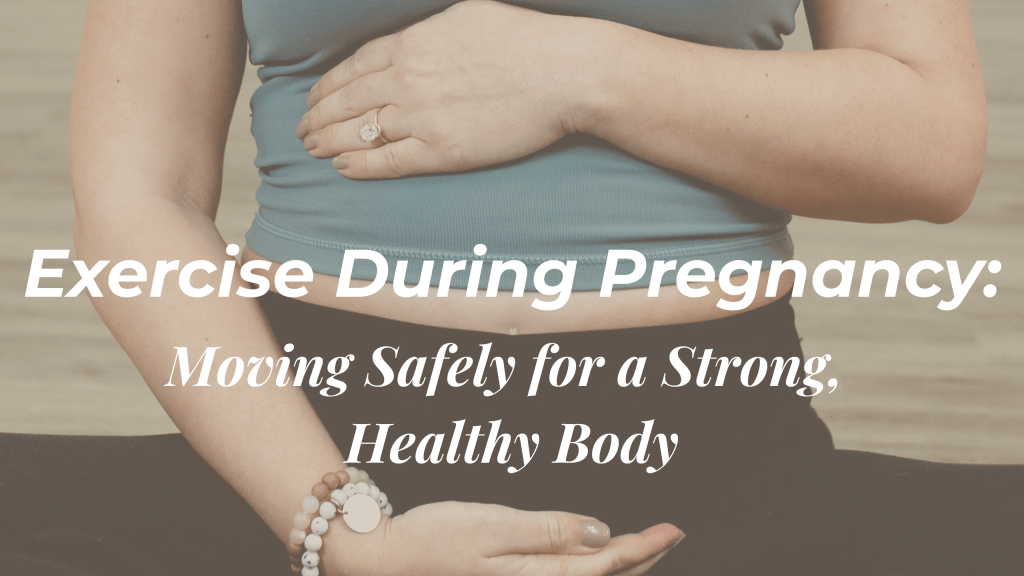
Pregnancy is one of the most transformative times in a woman’s life — physically, mentally, and emotionally. As your body changes to support new life, movement can become one of your most powerful allies. Exercise during pregnancy isn’t just safe for most women, it’s highly beneficial when done mindfully and with proper guidance.
Why You Should Be Exercising During Pregnancy
Staying active throughout pregnancy can help you:
- Boost energy and mood: Gentle movement releases endorphins that help you feel more balanced and positive.
- Reduce pregnancy discomfort: Exercise can relieve common issues like back pain, swelling, and fatigue.
- Support better sleep: A consistent routine helps regulate your body and mind.
- Prepare for labor: Strengthening your core, hips, and pelvic floor improves endurance and stability for childbirth.
- Aid postpartum recovery: Staying active helps your body recover faster after delivery.
Remember, every pregnancy is unique, so it’s essential to listen to your body and consult your doctor before starting or continuing any fitness routine.
The Best (and Safest) Types of Exercise During Pregnancy
Certain forms of exercise are particularly supportive during pregnancy, helping you build strength and flexibility without overstraining your body.
1. Barre:
Barre is one of the safest and most effective workouts for expecting mothers. The small, controlled movements help strengthen key muscle groups, especially the core, legs, and glutes, without high impact. It also improves posture and balance, which are vital as your center of gravity shifts.
2. Pilates:
Pilates focuses on stability, breathing, and core control, all crucial during pregnancy. Prenatal Pilates modifies traditional exercises to support your growing bump, strengthen your deep core muscles, and prevent lower back pain. Our instructors at Redlands Barre will modify each exercise in any of our standard Pilates classes to fit your needs.
3. Walking and Light Cardio:
Low-impact cardio, like brisk walking or swimming, helps maintain cardiovascular fitness and improve circulation. These are excellent ways to keep moving safely through all trimesters.
4. Gentle Strength Training:
Using light weights or resistance bands builds functional strength that supports your joints and helps you feel strong carrying your baby (and later, all the gear that comes with motherhood!).
5. Stretching and Mobility Work:
Regular stretching improves flexibility and reduces muscle tension, especially in the hips, back, and shoulders.
A Few Safety Tips
- Avoid lying flat on your back for long periods after the first trimester.
- Skip high-impact or contact sports.
- Focus on maintaining (not increasing!) your fitness level.
- Stay hydrated and rest when needed.
- Always honor your body’s signals so if something doesn’t feel right, take a minute to pause and relax.
Move with Confidence
Exercise during pregnancy isn’t about pushing limits, it’s about supporting your changing body. At Redlands Barre, our instructors are trained to provide safe modifications and guidance so you can stay active, connected, and strong throughout every stage of pregnancy.
Sources:
American College of Obstetricians and Gynecologists (ACOG). Physical Activity and Exercise During Pregnancy and the Postpartum Period (Committee Opinion No. 804, reaffirmed 2024).
Mayo Clinic. Pregnancy and Exercise: Baby, Let’s Move!
National Health Service (NHS). Exercise in Pregnancy.
Harvard Health Publishing. Exercise During Pregnancy: How to Stay Fit and Healthy.
Cleveland Clinic. Safe Exercises to Do During Pregnancy.

