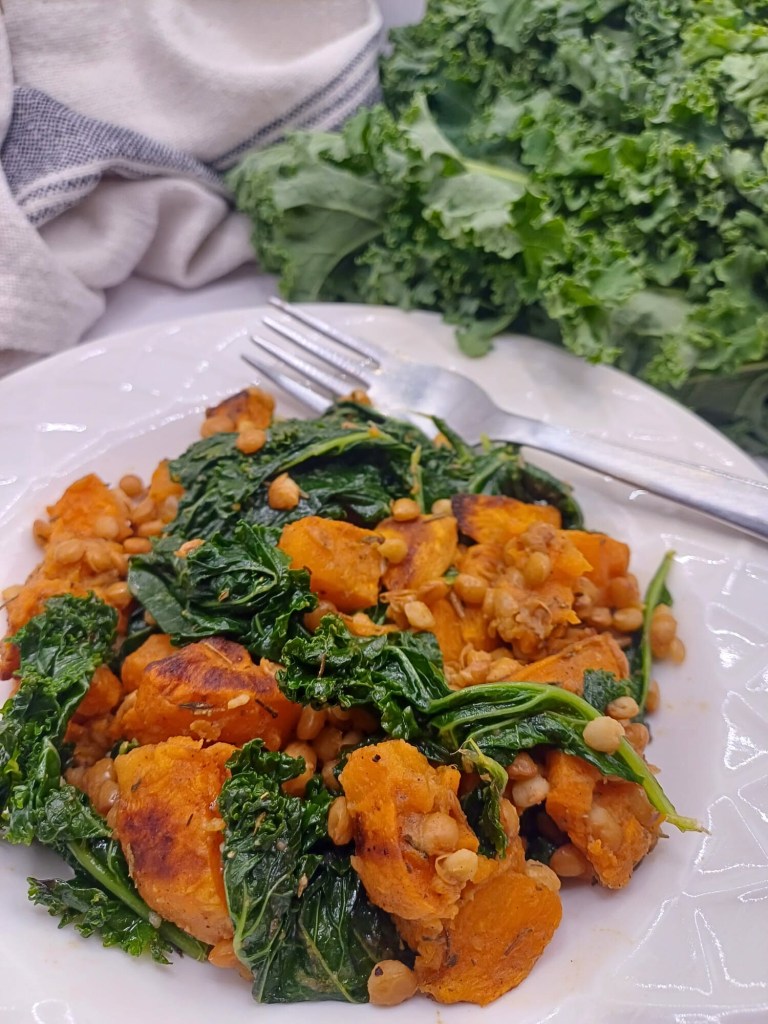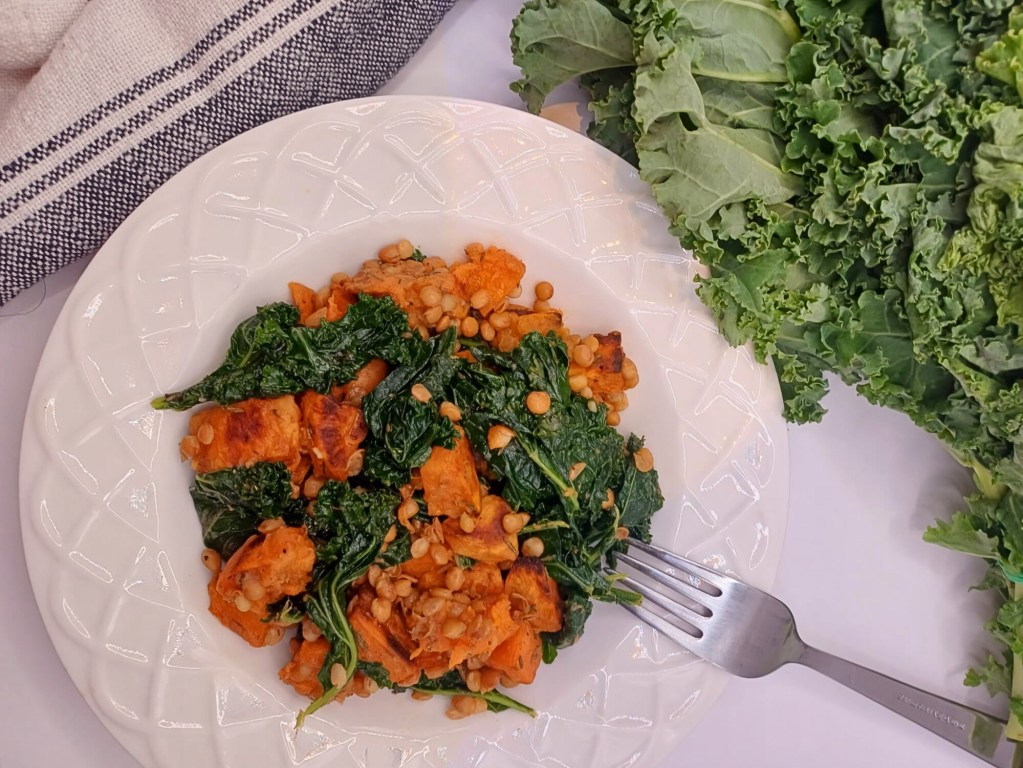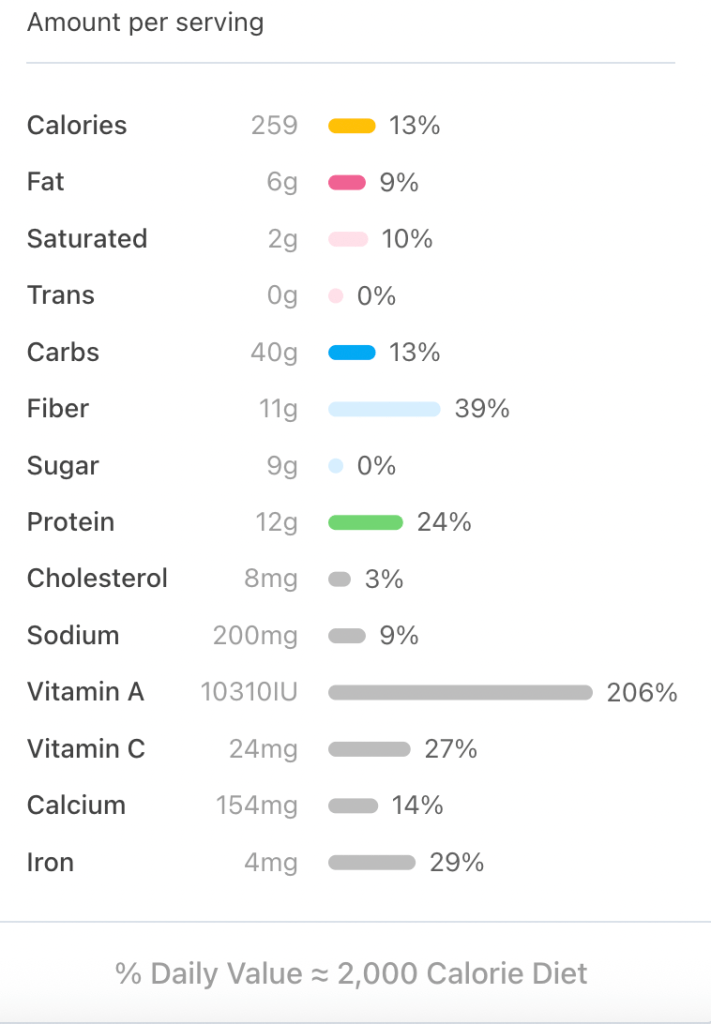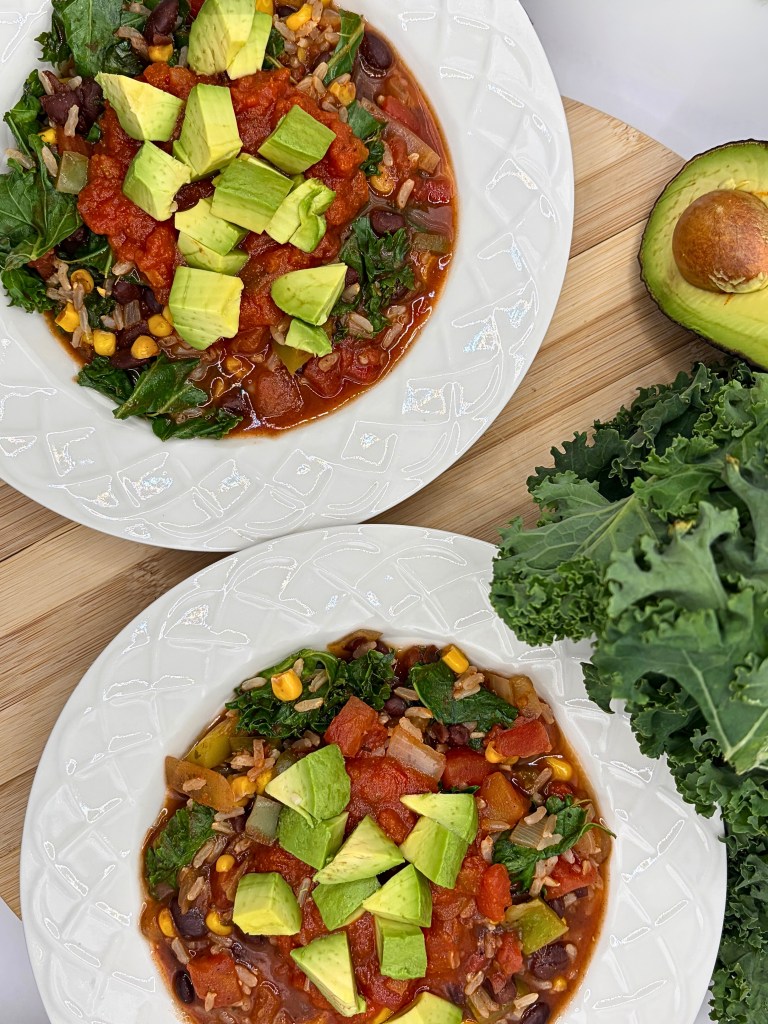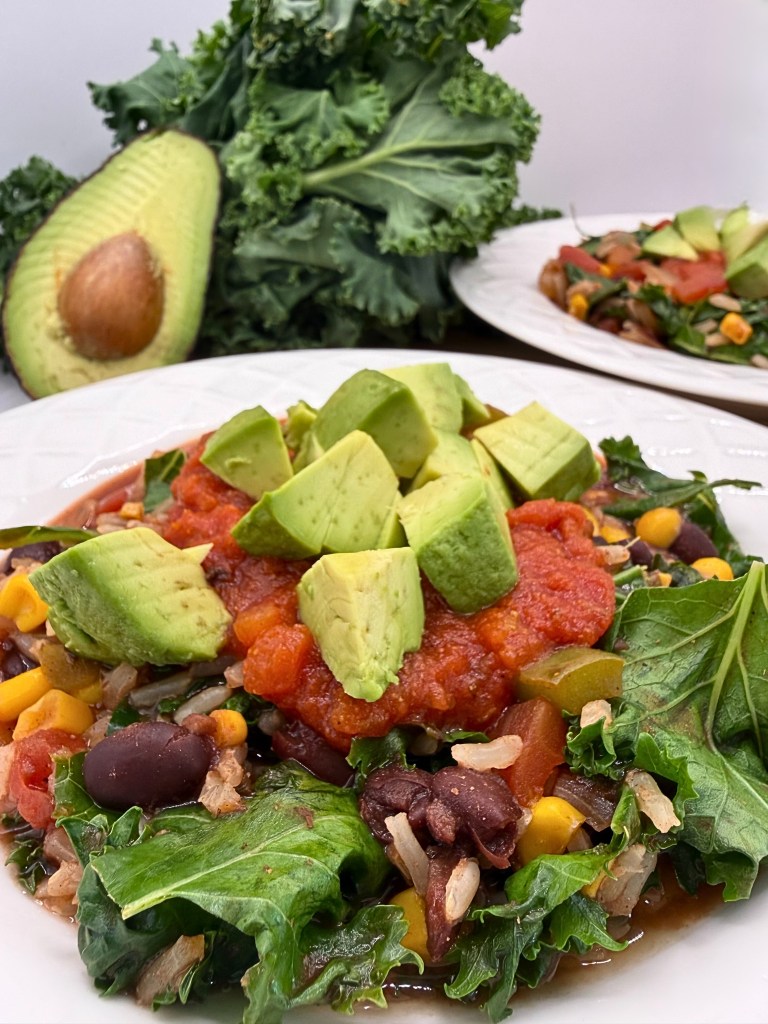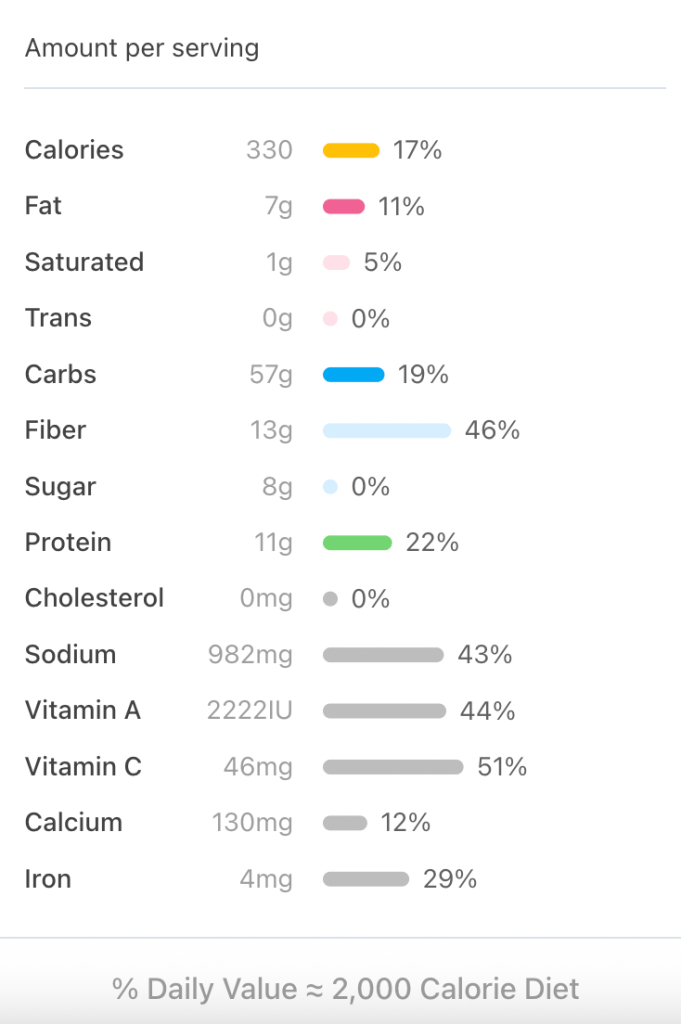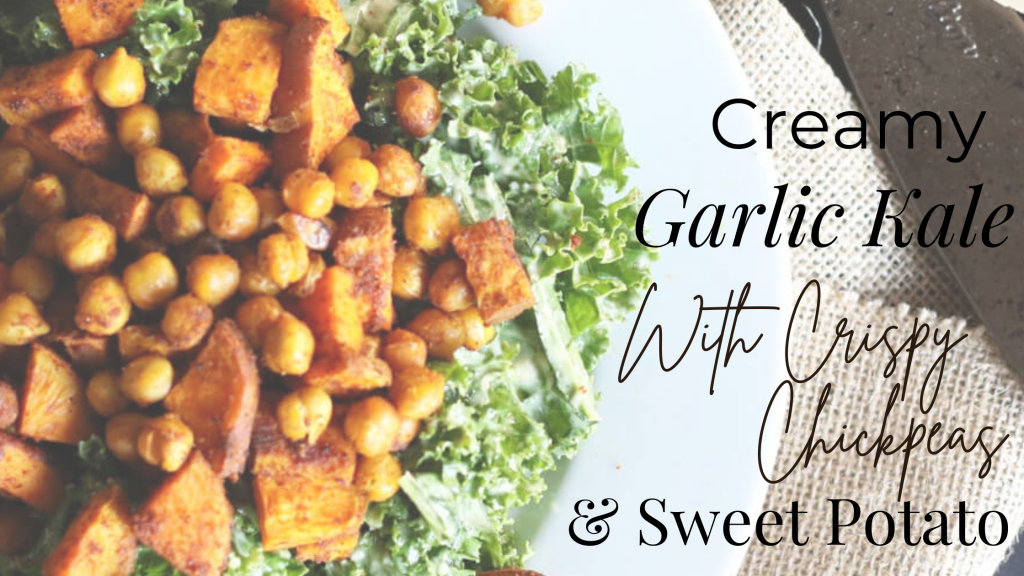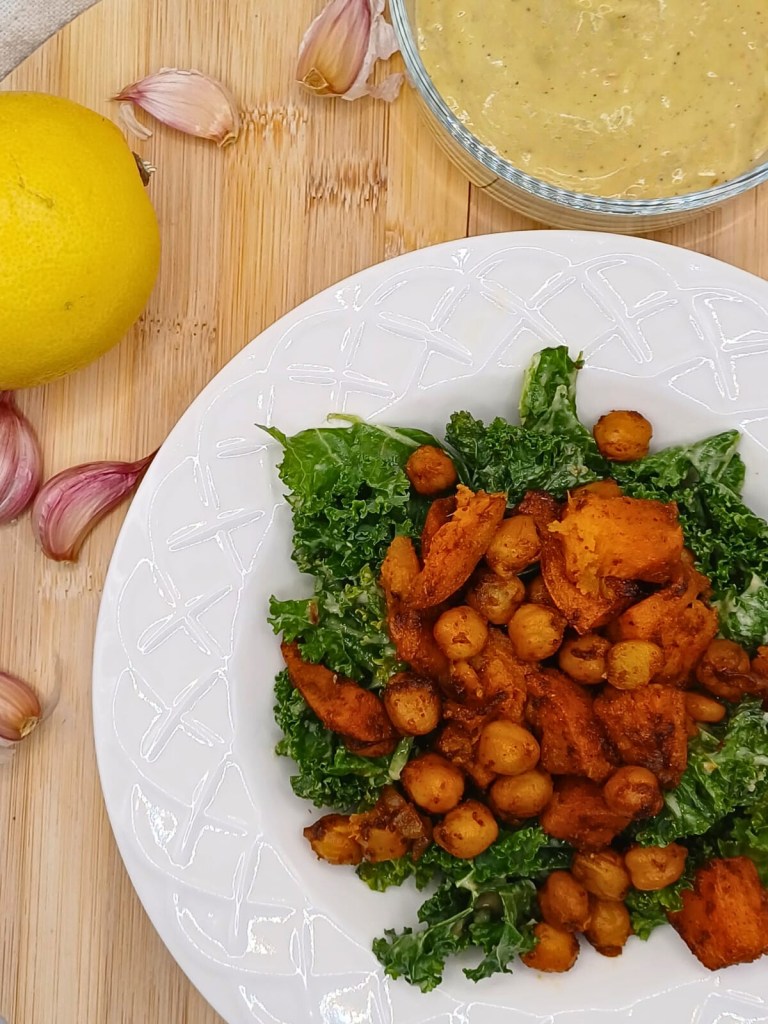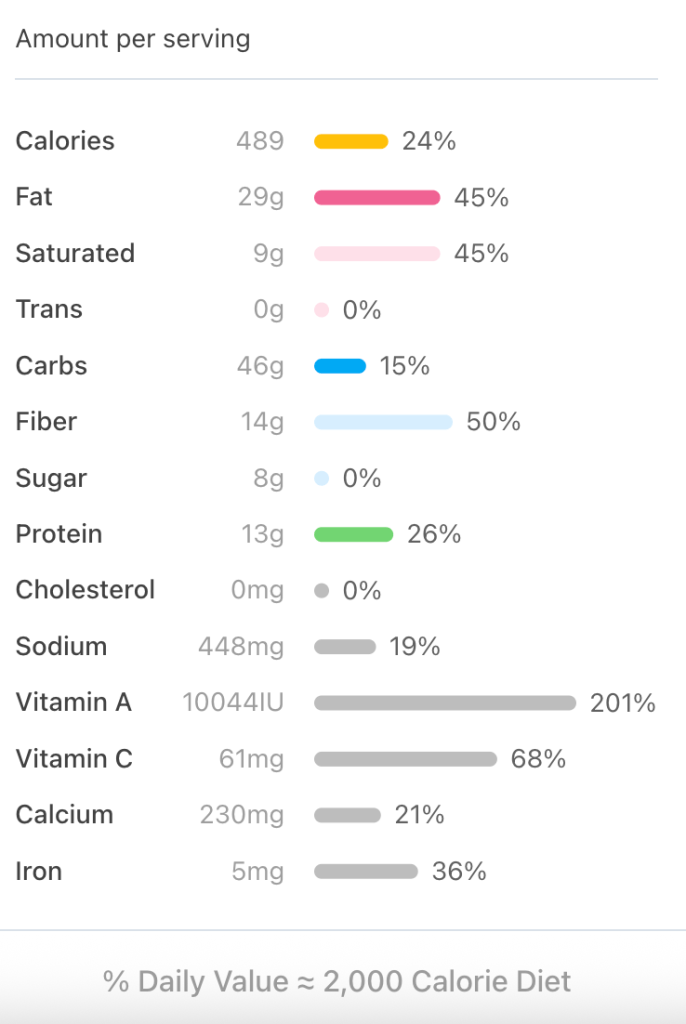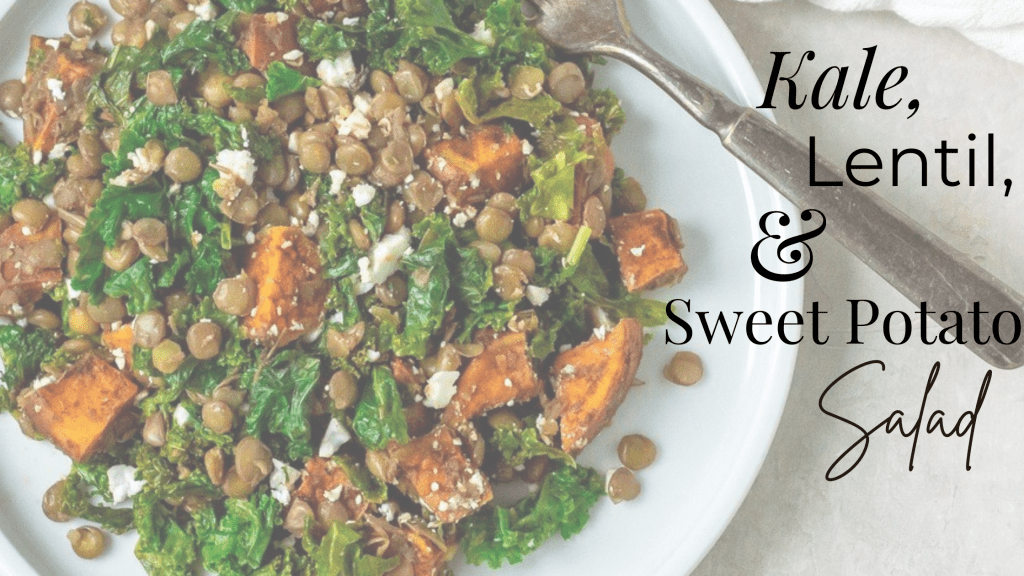
With fall in full swing, we’ve brought you a cozy roasted salad recipe, that utilizes some wholesome seasonal ingredients. These are some of the worlds healthiest superfoods, like sweet potatoes, brussels sprouts, lentils, and spinach – all tossed in a creamy tahini dressing. This protein packed, highly nutritious meal is great for repairing muscles after a workout and sure to leave you feeling satisfied.
Salad Ingredients:
Sweet Potatoes- These complex carbs are slow-digesting, meaning they offer a great sources of energy but won’t spike your blood sugar. They’re also packed with vitamins A and C and a good source of fiber. The sweetness in these potatoes gives this salad a rounded mix of flavors.
Brussels Sprouts- Rich in fiber, antioxidants and anti-inflammatory properties, these cruciferous vegetables are powerful superfoods. If you never liked brussels sprouts before, I promise you have to give them a try roasted and crispy!
Extra Virgin Olive Oil- Be sure to use “extra virgin” as it is the highest quality and least processed form of olive oil. Olive oil is high in antioxidants and polyphenols making it a healthier option when cooking with an oil.
Tahini- This paste is made of sesame seeds, and is rich in protein as well as monounsaturated and polyunsaturated fats (the good kind of fat, but be mindful of its high calorie content). It’s the perfect dressing base for any salad, but especially fitting for this fall weather roasted salad.
Maple Syrup- This ingredient gives the dressing a bit of sweetness without adding refined table sugar. It’s essential for balancing the dressing and the overall flavor of the salad.
Cayenne Pepper- This gives the recipe a bit of a kick. Not only is it flavor enhancing for this salad, but it also has the ability to fire up your metabolism and increase calorie burning. If that’s not “winning” I don’t know what is!
Lentils- These are a great source of plant-based protein while also being a complex carb giving steady energy to our bodies. It powers us and keeps us full, what’s not to love?! Lentils are also high in fiber (which your gut will thank you for) as well as iron (where are my anemic girlies at?!).This ingredient is essential to making this salad an actual meal.
Baby Spinach- Another superfood for the win! Besides lentils, spinach is another great iron source. Adding spinach with the roasted vegetables, really makes this feel more like a traditional salad… but the other ingredients give it a twist.
Ingredients:
2 Sweet Potatoes (medium sliced into 1 inch cubes)
4 cups Brussels Sprouts (washed and halved)
1 tbsp Extra Virgin Olive Oil
Sea Salt & Black Pepper (to taste)
1/4 cup Tahini
1 tbsp Maple Syrup
1/4 cup Water (warm)
1/4 tsp Cayenne Pepper (less if you don’t like it spicy)
1/8 tsp Sea Salt
2 cups Lentils (cooked, drained and rinsed)
8 cups Baby Spinach (chopped)
Directions:
Preheat the oven to 425ºF (218ºC). Line a large baking sheet with parchment paper.
Combine the diced sweet potato and brussels sprouts in a bowl. Add olive oil and season with sea salt and black pepper to taste. Toss well then spread across the baking sheet. Bake in the oven for 30 minutes or until both vegetables are cooked through and starting to brown.
While the vegetables roast, combine the tahini, maple syrup, water, cayenne pepper and sea salt in a jar. Seal with a lid and shake well to mix. Set aside.
Remove the roasted vegetables from the oven and place back in the mixing bowl. Add in the lentils. Mix well.
Divide spinach between bowls. Top with lentils and roasted vegetable mix. Drizzle with desired amount of dressing. Enjoy!
Notes:
No Brussels Sprouts- Use broccoli instead.
No Lentils- Use chickpeas, tempeh, or tofu instead.
Health Insights:
Fiber- This recipe is rich in dietary fiber, which is essential for a healthy digestive system. The lentils, Brussels sprouts, and sweet potatoes are all excellent sources of fiber, which can help to prevent constipation and promote a feeling of fullness.
Vitamins and Minerals- The ingredients in this recipe provide a wide range of vitamins and minerals. The sweet potatoes are high in vitamin A, the Brussels sprouts are a great source of vitamin C, and the spinach is packed with vitamin K. Additionally, the lentils contribute to the iron content of the meal.
Heart Health- The use of extra virgin olive oil and tahini in this recipe contributes to its heart-healthy properties. These ingredients are high in monounsaturated fats, which can help to lower levels of ‘bad’ LDL cholesterol and increase ‘good’ HDL cholesterol. Additionally, the high fiber content from the vegetables and lentils can also contribute to heart health.
Did you know your metabolism isn’t just about burning calories? While that’s an important aspect for weight management, it does so much more for you than that! It’s also responsible for the energy you have when doing daily activities and even basic human functions like breathing, blood circulation, growing and thinking. It plays a role in managing hormone levels and even repairing body tissues (think recovering muscles after a workout, or healing a wound). Your metabolism is essentially vital to your well-being.
If metabolism is so important, what can we do to keep it healthy? Unfortunately, there are no magic supplements, but with a few simple habits, you can boost your metabolism naturally, and within a short amount of time, start feeling more energized and focused in your daily life. Let’s break down the keys to boosting your metabolism.
1. Build Lean Muscle (Yes, Through Barre & Pilates!)
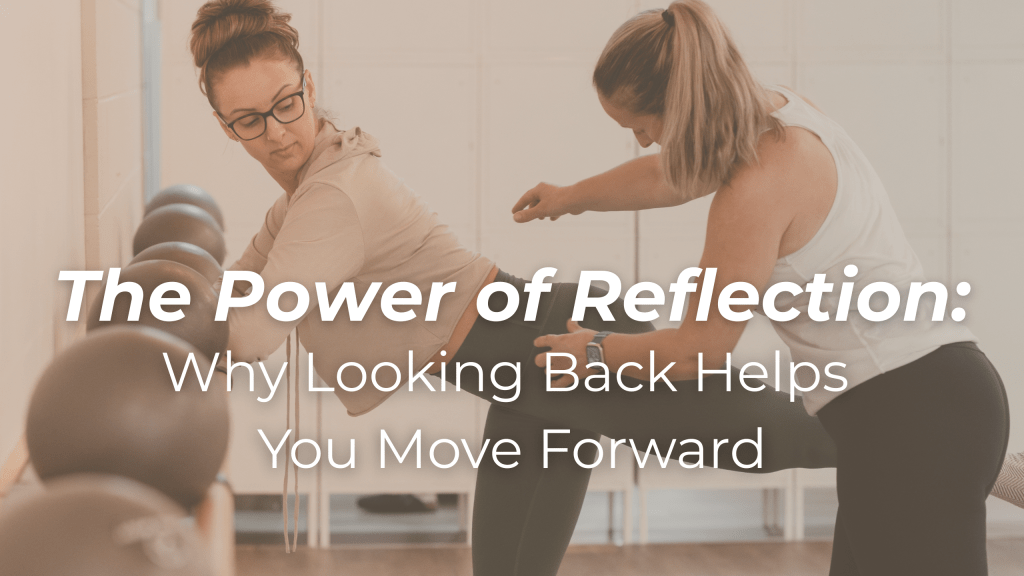
One of the best ways to boost your metabolism is by building lean muscle. Compared to fat, muscle tissue burns more calories while your body is at rest, which means your body keeps working and burning even after class ends.
Barre and Pilates are perfect for this, they strengthen and tone your muscles, helping you maintain a lean, sculpted physique that supports a steady metabolic rate.
Try this: Add an extra strength-focused class each week or incorporate light hand weights and resistance bands into your routine.
2. Don’t Skip Meals! Especially Breakfast!
Skipping meals can actually slow down your metabolism. When your body senses it’s not getting enough fuel, it conserves energy by storing fat, the opposite of what you want!
Start your day with a balanced meal that will keep you full and give you sufficient energy. Something that includes protein, healthy fats, and complex carbs. Think:
Greek yogurt with berries and granola
A veggie omelet with avocado toast
A smoothie with protein powder, spinach, and almond butter
These combos give your metabolism a morning boost and keep you satisfied through out your day.
3. Stay Hydrated
Your metabolism depends on proper hydration to work efficiently. Even mild dehydration can reduce your body’s ability to burn energy. After a full night’s rest without drinking water, we all wake up slightly dehydrated. Be sure to start your day with a couple of glasses of water to replenish what you’ve lost throughout the night, and continue to drink consistently throughout the day.
Tip: Keep a reusable water bottle with you and sip consistently. Try adding lemon or cucumber slices for a natural flavor boost if water is boring for you, or try coconut water after class for extra electrolytes.
4. Prioritize Protein
Protein has a higher “thermic effect” than carbs or fats, meaning your body uses more energy to digest it. Adding protein to each meal can subtly increase your daily calorie burn while supporting muscle recovery after your barre or Pilates session. Be careful not to go overboard, as consuming excessive protein can have negative effects on your overall health. Aim for the World Health Organization’s recommended amount: 0.8 grams of protein per kilogram of body weight per day.
Quick ideas:
Add a scoop of protein powder to smoothies
Snack on nuts, hard-boiled eggs, or hummus with veggies
Choose lean proteins like fish, tofu, or chicken
5. Get Enough Sleep (Seriously!)
Your metabolism doesn’t get to rest when you do, but it does depend on quality sleep to function properly. Poor sleep disrupts hormones that control hunger and energy, often leading to fatigue and sugar cravings.
Aim for 7–9 hours of consistent rest each night to help your body repair, recover, and regulate its metabolism naturally.
6. Keep Moving, Even Outside of Class
While your barre and Pilates sessions give you a great metabolic boost, everyday movement matters too. Walking the dog, taking the stairs, or even gentle stretching at your desk all add up!
Think of it as: “active living” rather than “extra exercise.” Your metabolism loves movement and consistency!
The Takeaway
Boosting your metabolism isn’t about extreme diets or endless cardio, it’s about creating habits that support your body’s natural rhythm. Move often, eat mindfully, rest well, and hydrate! You’ll find yourself feeling more alive and energetic – positively influencing your mood and ultimately your outlook on life!
When we take care of our bodies, we naturally feel good, both physically and mentally. Life is better when we live with intention and strive to become our healthiest selves.
We’re in the full swing of fall now, so no shame in everything pumpkin these days. We’re here to help you get your pumpkin fix. This pumpkin coffee cake is a perfect little weekend morning indulgence to help you fully savor the fall season. It’s moist, pumpkin-y with a crumble topping to die for. Slow down, drink your coffee with this sweet treat and soak in the changing leaves. Give it a try and let us know what you think.
Pumpkin Coffee Cake Ingredients:
Coconut Oil- Although this type of oil may have some health benefits it is high in saturated fat, so should always be used in moderation.
Pumpkin Pie Spice- Essential to pull out the pumpkin and autumn flavors of the coffee cake. Check out the notes section in the Pumpkin Spice Latte recipe for the recipe if planning to make it from scratch.
Coconut Sugar- This is a great alternative to regular table sugar. While it’s still sugar and should always be consumed in moderation, it is less processed and causes less of a blood sugar spike than white sugar.
Eggs- These provide a slight protein bump to the recipe along with some vitamins and minerals such as B vitamins, vitamin D, choline (great for brain health) and selenium. Eggs are really important to help the baked good rise. If looking for a vegan option, you can replace this with flaxseed and water to create a similar effect.
Plain Greek Yogurt- Another great protein addition. Along with the added nutritional value it adds to this recipe, it also makes this cake moist and soft -essential for a good cake. If making this cake vegan, you can use vegan yogurt or even a milk substitute.
Pureed Pumpkin- Along with being high in fiber, antioxidants and vitamins, this ingredient is what brings the flavor to the cake. It’s also very useful to keep the cake moist.
Vanilla Extract- This little ingredient actually does a lot for the flavor in baked goods, you don’t want to omit it!
All Purpose Gluten-Free Flour- All purpose flour will work best to give the cake a fluffy appearance and texture, however if you want a healthier option you can replace half the flour with almond or oat flour, getting a little more nutritional bang for your buck.
Baking Powder- This is important in helping the cake rise. Don’t forget this step!
Sea Salt- Some people are surprised when they find out salt is added to sweet foods, but salt is essential for bringing out maximum flavor. Even with sweet foods!
Ingredients:
1/4 cup Coconut Oil
2 tbsps Pumpkin Pie Spice (divided)
1 cup Coconut Sugar (divided)
2 Eggs
1/2 cup Plain Greek Yogurt
1/2 cup Pureed Pumpkin
1 tsp Vanilla Extract
1 cup All Purpose Gluten-Free Flour
2 tsps Baking Powder
1/8 tsp Sea Salt
Directions:
Preheat the oven to 350°F (175°C) and line a baking pan with parchment paper.
In a small bowl, add the coconut oil, half of the pumpkin pie spice, and 1/3 of the coconut sugar. Use your hands to mix it together until crumbly pieces form. Set aside.
In a mixing bowl, whisk the eggs and the remaining coconut sugar for one to two minutes or until well combined and smooth. Add the yogurt, puréed pumpkin, and vanilla and mix again until smooth.
Add the flour, baking powder, the remaining pumpkin pie spice, and salt. Mix until well combined and smooth.
Add the batter into the pan and smooth it out into an even layer. Spread the pumpkin pie spice crumble all over. Bake for 35 to 37 minutes or until a toothpick comes out with a couple of crumbs on it.
Let it cool for 10 to 15 minutes before cutting into squares. Enjoy!
Notes:
Leftovers- Store in an airtight container on the counter for up to three days. Refrigerate for up to one week.
Serving Size- An 8 x 8-inch (20 x 20 cm) baking pan was used to make nine servings. One serving is one square piece.
Gluten-Free Flour- This recipe was tested using Bob’s Red Mill 1:1 Gluten-Free Baking Flour. If using another type of flour, please note that results may vary.
Health Insights:
Healthy Fats- The coconut oil in this recipe provides healthy fats, which are essential for brain function and hormone production. These fats also help to keep you feeling full and satisfied.
Fiber- The all-purpose gluten-free flour and pureed pumpkin contribute to the fiber content of this recipe. Fiber is important for digestive health and can help to control blood sugar levels.
Protein- The eggs and Greek yogurt in this recipe provide a good source of protein. Protein is essential for building and repairing tissues in the body.
If you’ve ever walked out of a barre or Pilates class feeling completely famished and ready to eat anything you set your eyes on… well, you’re not alone. Abundant movement has a way of waking up our appetites! However, it’s really important to refuel properly after an exercise sesh, and nourish our bodies with the correct food choices and (something not talked about enough) portion sizes. One of the simplest ways to feel balanced and strong (without counting calories or obsessing over diets) is to understand and master the correct amount of food on your plate. Let’s break down what healthy portioning actually looks like.
Portion vs. Serving: What’s the Difference?
A serving size is what you’ll see on a nutrition label — it’s a standardized amount. A portion size, however, is what you actually eat, and that can vary based on your activity level, body type, and hunger. For example, someone doing regular barre and Pilates workouts will often need more energy — and therefore larger portions — than someone sedentary.
How to Visualize Portions (No Measuring Cups Needed!)
Here’s a quick way to estimate portions using your hands:
🖐️ Protein: The size of your palm (think chicken, tofu, or fish)
✊ Carbs: A cupped hand (like quinoa, rice, or fruit)
👍 Fats: The size of your thumb (avocado, nuts, olive oil)
✊✊Veggies: Two cupped hands (greens, colorful veggies)
Your hand size is unique to you, making this approach naturally personalized.
Mindful Eating: Listening to Your Body
Portion control isn’t about restriction — it’s about awareness. Try these simple habits:
Slow down and savor each bite.
Put down your fork between bites.
Eat without screens or distractions.
Stop when you feel about 80% full — your body catches up after a few minutes.
When you’re more in tune with hunger and fullness cues, you’ll find it easier to eat portions that truly satisfy rather than overwhelm.
Fueling Your Barre & Pilates Routine
After a workout, your body craves the right balance of nutrients to recover. Try meals like:
A smoothie with protein powder, banana, and almond butter
Greek yogurt with berries and granola
A veggie omelet with avocado toast
Balanced portions of protein, carbs, and healthy fats will help rebuild muscle and restore energy for your next class.
The Takeaway
Healthy portioning isn’t about eating less — it’s about eating mindfully and intentionally. By tuning into your body and using simple visual cues, you can fuel your workouts, feel satisfied, and support your long-term wellness goals. At Redlands Barre, we believe strength and balance start from the inside out — on the mat and at the table.
As the days grow a bit colder, warm and cozy foods really hit the spot. This Mac & Cheese does just the trick! If it doesn’t take you back to your childhood, it will at least bring new and happy memories for your kids. You don’t even have to feel guilty about feeding your family something so delicious, because it’s vegan -which means it’s replacing the saturated fat from cheese with monounsaturated fat (the good kind) from the cashews. It’s also low in cholesterol and high in fiber, not to mention, it’s delicious. Don’t hold back, dig in!
Baked Vegan Mac & Cheese Ingredients:
Brown Rice Macaroni- A great alternative to traditional white pasta — especially if you’re looking for something gluten-free, more nutrient-dense, or less processed. It’s higher in fiber with a lower glycemic index, meaning your blood sugar levels will avoid the steep spike that comes with traditional pasta.
Cashews- High in monounsaturated fats (the good kind which help lower bad cholesterol), and a good source of plant-based protein while being high in essential minerals.
Water- This is used to make the creamy “cheese” sauce, giving it a smooth consistently while helping limit calorie intake.
Nutritional Yeast- Adds a cheesy, savory (umami) flavor to this dish without the fat, sodium, or dairy. It contains the vitamin B12 (important for vegetarians to consume) and another great plant protein.
Lemon Juice- This is essential to the flavor of the cheese sauce. Just a little goes a long way.
Miso Paste- Miso is made by fermenting soybeans, which means it acts as a natural probiotic. However, keep in mind that miso is salty, so always best to use sparingly.
Turmeric- The star of all things anti-inflammatory! This bold spice is going to turn the cheese sauce the color you would expect from a delicious cheese sauce. Turmeric is best absorbed in your body eaten along with black pepper, so if you fancy, add a dash to your plate.
Sea Salt- Essential to bringing out the full flavor.
Bread Crumbs- This is what makes baked mac & cheese authentic BAKED mac & cheese! It’s an essential ingredient for the entire experience of the recipe!
Ingredients:
2 1/2 cups Brown Rice Macaroni (dry)
1 1/2 cups Cashews (raw, soaked overnight)
1 1/2 cups Water
1/3 cup Nutritional Yeast
1 tbsp Lemon Juice
1 tbsp Miso Paste (white)
1/4 tsp Turmeric (ground)
1/2 tsp Sea Salt
1/3 cup Bread Crumbs
Directions:
Preheat the oven to 350ºF (175ºC).
Cook the brown rice pasta to al dente according to package directions. Strain and run under cold water immediately to prevent from overcooking. Set aside.
In a blender, combine the cashews, water, nutritional yeast, lemon juice, miso, turmeric, and salt. Blend on high until completely smooth and creamy. Taste and adjust the salt or other seasonings to your preference.
Pour the macaroni into a baking dish and add 3/4 of the cashew cheese sauce. Mix to combine. Top with bread crumbs. Transfer to the oven and bake for 20 to 25 minutes, until the top is slightly browned.
Divide onto plates and add a dollop of extra cheese sauce. Enjoy!
Notes:
Leftovers- Refrigerate in an airtight container for up to three days.
Serving Size- One serving is equal to approximately 1 1/2 cups.
More Flavor- Add garlic powder, smoked paprika, or onion powder to the cheese sauce.
Additional Toppings- Top with chives or green onion.
Cheese Sauce- You can use all of the cheese sauce on the macaroni before baking but it will soak up most of the sauce. If you like a saucy consistency, we recommend leaving some sauce aside to serve it with.
No Miso Paste- Omit and add more salt as needed.
Short on Time- Soak the cashews in boiling water for 10 minutes.
Health Insights:
Heart Health- The brown rice macaroni and cashews in this recipe are a good source of monounsaturated fats, which are known to be beneficial for heart health. The low cholesterol content also makes this a heart-friendly meal.
Digestive Health- This recipe is high in dietary fiber, primarily from the brown rice macaroni and cashews. Fiber is essential for maintaining a healthy digestive system, as it aids in regular bowel movements and contributes to a feeling of fullness.
Bone Health- The recipe contains a good amount of calcium and phosphorous, nutrients that are essential for maintaining strong and healthy bones. The presence of Vitamin K also contributes to bone health.
Diet vs Exercise: Which Matters More for Weight Loss (and Why)
It’s a popular debate, is diet or exercise more important for weight loss? While it’s easy to get caught up in the latest workout trend or restrictive meal plan, the truth is, weight loss isn’t always about doing more, it’s about doing what matters most.
Here’s the reality: you can’t out-train a poor diet, and you can’t fuel lasting results without movement. Both diet and exercise play an important role in your weight loss journey, but they don’t contribute equally. In fact, research shows that what you eat may have a greater impact on shedding pounds, while exercise is the key to keeping the weight off, building strength, and feeling energized.
Let’s break down the science behind diet vs exercise, which has the bigger impact on your weight loss results, as well as how you can combine the two for long-term success.
The Role of Diet in Weight Loss
If your goal is weight loss, what you eat will always carry the most weight (no pun intended). At the end of the day, weight loss comes down to one simple principle: creating a calorie deficit or burning more calories than you consume. And while exercise can help tip the scale, it’s much easier to reduce calories through diet than it is to burn them off in the gym.
For example, running five miles might burn about 500 calories. But that same 500 calories can be added back in just by drinking a sugary latte or eating a dessert. This is why diet often makes up about 70–80% of weight loss success, while exercise accounts for the rest.
Beyond calories, diet also plays a critical role in how you feel during your weight loss journey. Eating balanced meals with protein, fiber, and healthy fats can:
Even with good intentions, many people get tripped up by diet mistakes that slow their progress:
Over-restricting calories: Extreme cuts often backfire, leading to binge eating.
Relying on fad diets: Quick fixes may show short-term results but aren’t sustainable.
Ignoring food quality: Weight loss isn’t just about calories — it’s also about nutrients. Whole, nutrient-dense foods fuel your body better than processed “low-calorie” options.
In short: diet sets the foundation for weight loss. Without it, even the hardest workouts won’t deliver the results you’re hoping for.
The Role of Exercise in Weight Loss
While diet creates the biggest impact on the scale, exercise is the tool that makes your weight loss sustainable — and your results visible. Think of exercise as the accelerator and stabilizer in your journey.
Here’s why exercise still matters when it comes to weight loss:
1. Exercise Burns Calories Long After the Workout Ends
Cardio workouts like running, cycling, or HIIT definitely burn calories in the moment, but what many people overlook is the lasting effect they have on burning calories throughout the day. After an intense workout, your body requires extra oxygen to return to its normal state. This recovery process, known as the “afterburn effect” or EPOC (Excess Post-Exercise Oxygen Consumption), keeps your body burning additional calories long after you’ve left the gym. While the effect peaks within the first hour post-workout, it can continue for up to 72 hours, meaning the benefits of your effort extend well beyond the workout itself.
2. Exercise Builds Muscle and Shapes Your Body
Strength training is one of the most effective ways to change your body composition. Muscle tissue burns more calories at rest than fat, which means the more lean muscle you build, the higher your metabolism will be — even while sitting on the couch.
This is where Pilates and barre shine: both workouts use bodyweight and resistance to strengthen and tone your muscles, improve posture, and sculpt lean definition. Over time, this helps increase your metabolism and makes your results more noticeable.
3. Exercise Supports Mental Health
Movement is powerful for your mind as well as your body. It reduces stress hormones, boosts endorphins, and improves mood — all of which help prevent emotional eating and keep motivation high. The mind-body connection emphasized in Pilates and barre can also help reduce stress and improve focus, which supports healthier habits outside the studio.
4. Exercise Helps Keep Weight Off
Research shows that while diet drives most initial weight loss, consistent exercise is what helps people maintain their results long-term. It’s the difference between dropping pounds for a month and staying strong and healthy for years.
Best Types of Exercise for Weight Loss
To get the most out of your workouts, combine:
Strength training (2–3x per week): Builds muscle, boosts metabolism.
Cardio (2–3x per week): Burns calories, supports heart health.
Mind-body workouts like Pilates and barre: Sculpt and tone muscles, improve flexibility, and enhance recovery while reducing stress.
In short, exercise may not be the biggest driver of weight loss on its own, but it’s essential for shaping your body, improving your health, and making your results last.
Diet vs Exercise: Which Matters More?
So, if both diet and exercise play a role in weight loss, which one matters more?
The short answer: diet is the bigger driver of weight loss, but exercise is what keeps the weight off and shapes your results.
Here’s why:
Diet creates the calorie deficit. Research shows that adjusting what you eat has the biggest immediate effect on losing weight. You’ll see faster changes on the scale by reducing extra calories and focusing on nutrient-rich meals.
Exercise sustains and enhances the results. Without movement, most people struggle to maintain their weight loss. Exercise builds lean muscle, boosts your metabolism, and helps prevent the rebound effect many people experience after dieting.
It’s not really diet vs exercise — it’s about how the two work together. If you only focus on diet, you may lose weight but feel weaker or less toned. If you only focus on exercise, you may overtrain without making much progress on the scale. But when you combine the two, you create a powerful formula for results that last.
That’s why workouts like Pilates and barre are such a great fit: they’re sustainable, low-impact, and designed to strengthen and tone your entire body while supporting stress relief and recovery. Pair these workouts with balanced eating habits, and you’ll not only lose weight but also gain strength, energy, and confidence.
Finding the Right Balance
When it comes to lasting weight loss, you don’t have to choose between diet and exercise — the real success comes from combining the two in a way that fits your lifestyle. Think of it as a partnership: diet drives your progress, exercise protects it.
Here’s a simple framework to follow:
1. Prioritize a Balanced Diet
Focus on whole foods: lean or plant-based protein, colorful veggies, fruits, healthy fats, and whole grains.
Aim for moderation, not restriction — no need to cut out every indulgence.
Pay attention to portion sizes and hidden calories in drinks and snacks.
2. Move with Purpose
Aim for 3–5 workouts per week that combine strength, cardio, and recovery.
Mix in workouts that you actually enjoy — because the best workout is the one you’ll stick to.
This is where Pilates and barre are game changers: they strengthen and tone, improve posture, and keep workouts low-impact yet highly effective.
3. Don’t Forget Recovery
Rest days are part of the plan — your muscles need time to repair and grow.
Sleep, hydration, and stress management all play a big role in keeping your body balanced.
4. Track Progress Beyond the Scale
Notice improvements in energy, mood, strength, and confidence.
Take progress photos or measurements to see how your body is changing over time.
By blending smart nutrition with consistent movement — especially with workouts like Pilates and barre that support strength, flexibility, and recovery — you’ll create a routine that not only helps you lose weight but also keeps you feeling strong, lean, and energized for the long run.
Common Myths About Diet vs. Exercise
When it comes to weight loss, there’s no shortage of confusing (and misleading) advice. Let’s clear up a few of the most common myths:
Myth 1: “I can eat whatever I want if I work out.”
False. Exercise alone won’t outwork a poor diet. A balanced nutrition plan is the foundation of weight loss — workouts amplify it, they don’t erase bad habits.
Myth 2: “Exercise matters more than diet.”
Not quite. Exercise is important, but research shows that diet accounts for the majority of initial weight loss. A popular guideline followed in the fitness industry is the 80/20 rule. 80% of weight loss comes from diet, 20% from exercise.The best approach is to combine both for real, lasting results.
Myth 3: “Dieting means starving yourself.”
Wrong. Starvation slows your metabolism and often leads to binge eating. Sustainable weight loss comes from fueling your body with nutrient-dense foods — not depriving it.
Myth 4: “Low-impact workouts don’t help with weight loss.”
Definitely false. Pilates and barre are powerful tools for building lean muscle, improving posture, increasing flexibility, and boosting metabolism — all key components of effective and sustainable weight loss.
Conclusion: Diet + Exercise = Lasting Results
At the end of the day, it’s not really diet vs exercise — it’s diet and exercise together that create the best path to weight loss and overall health. It’s quite simple, the best results come from focusing on both. Fuel your body well, move with purpose, and give yourself time to recover. That’s the formula for results that last — and for feeling your strongest, healthiest, and most confident self.
Autumn is a time of baking, cozy blankets, scented candles and warm drinks. As we’re entering the fall months here in Southern California, it’s still a bit warm and we’re teetering on feelings of both fall and summer; this is a great recipe for both seasons. This focaccia bread is a fantastic side piece to your next dinner or family get together. It’s crispy on the outside, but so soft and fluffy on the inside. The sun-dried tomatoes and artichokes on top give it an added boost of flavor, and it’s absolutely delectable. Give it a try at your next get together, everyone will be asking you for the recipe by the end of the night!
Artichoke Sun-dried Tomato Focaccia Ingredients:
Water- This is needed to help activate the yeast, at the correct temperature. You’ll want the water to be warm, ALMOST hot to the touch. If it is too hot, the yeast will be killed, so it can’t be too hot to the touch.
Instant Yeast- Essential to the rising of the bread. Make sure your yeast is not too old or it will not work. It needs to be added to the correct water temperature as well. If the water is too cold it will not be activated, if it is too hot it will kill the yeast. If the yeast and water together start to foam, you know the yeast is activating and working correctly.
Maple Syrup- This is a more natural option to white table sugar. You can also use honey as a substitute.
Unbleached All Purpose Flour- This type of flour helps keep the bread light and fluffy. You can substitute it with other flours or use half unbleached all purpose and half of another type, but keep in mind it might effect the texture and fluffiness of the bread.
Extra Virgin Olive Oil- This is essential for focaccia. Extra Virgin is the healthiest olive oil choice, as it is the least processed and contains the most polyphenols. Topping the bread with olive oil before baking it is going to give it a crispy top and crispy edges.
Sea Salt- This is needed to bring out some flavor, as well as adding a bit on top of the bread before baking, for a sprinkle of flavor complementing the sun-dried tomato and artichokes on top.
Avocado Oil Spray- This is used to grease the sides of the pan so the bread does not stick. If you have don’t have this oil on hand, using any other type of oil will work.
Sun-dried Tomatoes- Sun-dried tomatoes are packed with antioxidants and rich in vitamins C and K, iron, and potassium, promoting strong immunity, bone health, and healthy blood pressure. Plus, they provide concentrated flavor and nutrients in a low-calorie, fiber-rich package. The sun-dried tomatoes used for this recipe should be from a jar stored in oil. Make sure they are conserved in olive oil, and feel free to pat them free of oil before placing them on the bread.
Artichoke Hearts- These should also be from a jar. Artichokes are rich in fiber, antioxidants, and liver-supporting compounds, making them excellent for digestive health, heart health, and blood sugar balance.
Ingredients:
1 1/4 cups Water (warm)
2 tsps Instant Yeast
1 1/2 tsps Maple Syrup
12 1/2 ozs Unbleached All Purpose Flour (plus more for dusting)
1/4 cup Extra Virgin Olive Oil (divided)
2 tsps Sea Salt (plus flaky salt for garnish)
1/8 oz Avocado Oil Spray (divided)
1/4 cup Sun Dried Tomatoes (chopped)
1/4 cup Artichoke Hearts (from the jar, drained, coarsely chopped)
Directions:
In a large bowl, combine the warm water, yeast, and maple syrup. Stir, cover with a towel, and let sit for five minutes.
Add the flour, half of the olive oil, and salt to the bowl. Mix the ingredients together with a wooden spoon. Once the dough starts to come together, transfer it to a clean surface dusted with flour. Knead the dough for five to six minutes.
Spray a clean bowl with half of the avocado oil spray. Place the dough in the bowl, cover it with a damp towel, and let it rise in a warm place for one hour or until it doubles in size.
Spray a baking dish with avocado oil spray. Transfer the dough to the dish, gently pressing it into an even layer. Dimple the dough with your fingertips.
Drizzle the dough with the remaining olive oil. Let it rise for another 30 minutes. Meanwhile, preheat the oven to 425°F (220°C).
Top the dough with sun dried tomatoes, artichokes, and a sprinkle of flaky salt. Bake for 20 to 25 minutes or until golden brown. Slice into even pieces and enjoy.
Notes:
Leftovers- Store in an airtight container at room temperature for up to three days or in the fridge for up to a week. Freeze for up to three months.
Serving Size- A 9-inch (23 cm) round baking dish was used to make eight servings.
Avocado Oil Spray- One gram (or 1/16 oz) of avocado oil spray is equal to a one-second spray.
Flour Measurement- 12 1/2 ounces of flour is approximately 2 3/4 cups.
Health Insights:
Heart Health- The recipe includes ingredients like extra virgin olive oil and avocado oil spray, which are known sources of healthy fats. These fats are essential for the body as they support cell growth, protect organs, and help in the absorption of certain vitamins.
Digestive Health- The use of unbleached all-purpose flour and artichoke hearts in the recipe contributes to its fiber content. Dietary fiber is beneficial for digestive health and can help to maintain a healthy weight.
Nutrient-Rich- This recipe is a good source of several essential vitamins and minerals, including Vitamin C, Vitamin K, Iron, and Calcium. These nutrients play crucial roles in the body, including supporting immune function, blood clotting, oxygen transport, and bone health.
FINALLY! The best time of the year is upon us! It’s pumpkin spice latte season!!! If there’s one thing you do for yourself today it’s this: pull out those cozy sweaters and blankets, put on some soothing jazz music and enjoy this pumpkin spice latte in peace. We promise it’ll be your new favorite fall tradition.
Pumpkin Spice Latte Ingredients:
Coffee- An essential ingredient for a latte. Coffee is rich in antioxidants and the caffeine content helps boost your metabolism as well as enhance your exercise performance. Why not make a cup before a barre or pilates class?
Pureed Pumpkin- Pumpkin is rich in vitamins and fiber and low in calories, making it a great addition to any meal or treat.
Maple Syrup- A more natural sweetener than standard table sugar, to give this latte a bit of sweetness.
Pumpkin Pie Spice- Absolutely necessary to bring that fall flavor to the drink. Check out the notes section for the recipe to make your own.
Unsweetened Almond Milk- Or the milk of your choice, however unsweetened almond milk is one of the lowest calorie milk options, if you’re watching your weight.
Vanilla Extract- This really ties the whole recipe together, you don’t want to forget it.
Ingredients:
1/2 cup Coffee
2 tbsps Pureed Pumpkin
1 1/2 tbsps Maple Syrup
1/2 tsp Pumpkin Pie Spice *see notes section for recipe*
3/4 cup Unsweetened Almond Milk (or milk of choice)
1/2 tsp Vanilla Extract
Directions:
Brew your coffee and set aside.
In a saucepan over medium heat, stir the pumpkin, maple syrup and pumpkin pie spice until combined. Slowly whisk in almond milk. Bring mixture to a low simmer, stirring occasionally and remove from heat. Stir in vanilla extract.
Transfer milk mixture to a blender and pulse several times until foamy and frothy. (You can also use a hand-held immersion blender instead.)
Add milk mixture to your hot coffee. You may want to use a spoon to gently hold back the frothy top layer while pouring. Top your latte with this remaining froth.
Top with a dollop of homemade whipped cream or coconut whipped cream (optional) and sprinkle with additional pumpkin pie spice. Enjoy!
Notes:
No Blender- Whisk vigorously by hand when the milk mixture starts to simmer on the stove. FYI, this will not create the same froth as a blender or immersion blender but still tasty!
Pumpkin Lover- Add an extra 1 tbsp of pureed pumpkin per serving.
Homemade Pumpkin Spice- Mix 1/4 cup ground cinnamon, 4 tsp ground nutmeg, 4 tsp ground ginger and 1 tbsp ground allspice. Store in an air-tight container.
Caffeine Free- Replace coffee with additional almond milk.
Not a coffee lover? Try replacing coffee with chai tea for an additional boost of fall flavor!
Health Insights:
Antioxidants- The coffee in this recipe is a great source of antioxidants, which can help protect your body from damage by harmful molecules called free radicals. Additionally, pumpkin is also known for its antioxidant content, particularly beta-carotene, which is converted into vitamin A in the body.
Bone Health- The almond milk and pumpkin in this recipe provide a good amount of calcium, which is essential for bone health. Additionally, the vitamin D present in the recipe helps in the absorption of calcium and other minerals.
Heart Health- This recipe is low in saturated and trans fats, which can help maintain healthy cholesterol levels and promote heart health. The monounsaturated fats present in almond milk are known to be heart-healthy. Moreover, the potassium content in coffee and pumpkin can help regulate blood pressure.
You’re walking out of the gym feeling sweaty and proud, you crushed that workout today. You’re on a roll this week, setting PR’s and pushing yourself harder than you ever have before. You’re ready to hit it hard again tomorrow… but, what if the key to getting stronger isn’t actually another strenuous workout? What if the best results would actually come from… taking a break?!
Some people have this crazy idea that rest days are a sign of weakness or laziness, but the truth is, rest is where the magic happens! It’s not the time you spend lifting, doing plie’s, holding a squat or working your booty off that makes you stronger, it’s actually what your body does afterward, when you allow it to recover, that builds strength.
Let’s discuss how rest might just be one of the most powerful tools you can use in your fitness journey and how taking a day off might just be the missing piece to take your results to the next level.
Why Rest is Essential for Strength
When you workout, you’re actually not building muscle. Shocker, I know. You’re technically breaking your muscle down by creating these tiny little tears in your muscles. I know this sounds contradicting, but it’s actually a good thing! The process of repairing and healing these tears, is what makes the muscle literally grow and become stronger. So you see, without the time needed to repair these tears, your muscles can’t properly recover, leaving you frustrated from working out so hard but not experiencing optimal results. Over time, this can lead to plateaus, injury and fatigue -ultimately slowing progress in the gym rather than accelerating it. Rest > Overtraining.
Benefits of Taking Regular Rest Days
Taking a rest day isn’t “slacking off” — it’s actually smarter training. Here’s why:
1. Faster Muscle Growth
Like we mentioned previously, muscles don’t grow during exercise, they grow afterward, when you’re resting. Without proper downtime, you’re not doing your body any favors, you’re just breaking down muscle tissue without giving it the chance to rebuild stronger. Taking a rest day means your muscles will actually be able to repair and grow like you want them to.
2. Reduced Risk of Injury
Continual strain on the body puts stress on the joints, tendons and ligaments. Without proper time for them to recover, overtraining injuries tend to occur. Rest days give your body time to heal and prevent troublesome injuries that ultimately derail progress.
3. Mental Recharge
Training hard isn’t just physically exhausting, it can also lead to mental fatigue. A rest day refreshes your mind, helps you avoid burnout and continue to stay motivated for the workouts in the week and days to come.
4. Long-Term Progress
Consistency is the key in fitness. Rest days keep you energized and ready to show up week after week, year after year.
5. Better Sleep, Energy & Hormone Regulation
Physical activity raises hormones such as cortisol and adrenaline, while constant exercise causes overproduction of these chemicals resulting in fatigue and trouble sleeping. Rest days play a role in restoring your hormones allowing for better sleep. Better sleep in turn, improves your energy levels and allows for better performance when you return to the gym.
How to Know When You Need a Rest Day
Sometimes it’s obvious you need a break — like when you can barely walk up the stairs after leg day. But other times, it’s less clear.
Here are common signs your body is asking for rest:
Persistent soreness or stiffness that doesn’t improve with light activity.
A sudden drop in strength or endurance during workouts.
Trouble sleeping or feeling unusually restless at night.
Constant fatigue, low energy, or lack of motivation.
Increased irritability or mood swings.
What to Do on a Rest Day
Taking a rest day doesn’t mean you have to be a couch potato all day — unless your body is really asking for complete rest. Active recovery is a great option for your rest day, helping to keep blood flowing and aid in muscle repair. Here are a few ideas for your next rest day:
Gentle stretching or yoga (check out our on-demand stretching videos)
A light walk or swim
Foam rolling or a massage
Deep breathing or meditation for mental recovery
Don’t forget nutrition!
Eat balanced meals rich in protein and whole foods.
Stay hydrated — water helps flush out waste products from exercise.
Get quality sleep (7–9 hours) to support muscle repair.
Myths About Rest Days
There’s a lot of bad advice out there about taking breaks. Let’s bust some of the most common myths:
“Rest days make you lose progress.” False. Rest days help you build more progress by allowing your body to grow stronger.
“Real athletes don’t need rest.” False. Elite athletes schedule recovery days strategically. Some even take entire weeks off after intense training cycles.
“If I’m not sore, I don’t need to rest.” False. Soreness isn’t the only indicator of muscle strain or central nervous system fatigue.
Putting It All Together
Rest is not a luxury — it’s essential to your success.
Your muscles grow stronger, your energy returns, and your performance improves when you give your body the chance to recover. Skipping rest days is like stepping on the gas while running on empty, you’re going to burn out fast.
To maximize your results:
Schedule 1–2 rest days each week.
Listen to your body’s warning signs.
Focus on recovery habits like sleep, hydration, and proper nutrition.
The next time you feel guilty about skipping the gym to rest, remind yourself of this: rest isn’t weakness — it’s a strategy. Train hard, rest hard, and watch yourself reach your goals faster and with fewer setbacks. When you give yourself proper rest, you’re not taking a step backward; you’re setting yourself up to leap forward. So go get it girl! Rest your way to your best self!
We’re technically in the last week of summer, so here is the last summer salad of the season. The pasta makes this salad a bit more hearty, as we transition into the coming months of fall. It’s still fresh, full of flavor and quick to put together. Great for one final summer picnic or a week day packed lunch.
Greek Orzo Pasta Salad Ingredients:
Orzo- The star ingredient in this salad. Although shaped like small grains of rice, it is actually a type of pasta commonly used in Mediterranean and Middle Eastern dishes.
Extra Virgin Olive Oil- Be sure to get the “Extra Virgin” type as this is the highest quality and least processed form.
Lemon- This is gonna add a nice zing to the salad, making it taste fresh and summery!
Oregano- Dried oregano works fine here. It’s not only giving this recipe a burst of flavor, but it’s also contributing to the abundance of antioxidants in the salad.
Sea Salt & Black Pepper- To taste
Cherry Tomatoes- These juicy balls of goodness are loaded with antioxidants and when paired with extra virgin olive oil, these antioxidants are more effectively absorbed by the body.
Kalamata Olives- Often used in Greek cooking, these olives give a dynamic flavor to the salad. They are rich in monounsaturated fats or “the good kind” of fat. However, they tend to be high in sodium, so be sure to enjoy them in moderation.
Cucumber- Be sure to keep the skin on to enjoy the maximum health benefits. The skin is the most nutrient-dense part, packed with antioxidants and fiber. Be sure to wash and scrub the skin well before eating, as the skin may contain pesticide residue.
Feta Cheese- Not only does feta add a bold flavor to the salad, it is also rich in protein, a good source of calcium and a probiotic. Feta cheese is lower in calories than other cheeses like cheddar or gouda but it is high in sodium so be sure to enjoy it in moderation.
Basil Leaves- Fresh basil to top it all off is the cherry on top, adding so much freshness to the flavor of this salad. It’s also got great health benefits, a large one being it’s anti-inflammatory effects.
Ingredients:
1 1/3 cups Orzo
1/2 cup Extra Virgin Olive Oil
1 Lemon (medium, juiced, zested)
1 tsp Oregano
Sea Salt & Black Pepper (to taste)
2 cups Cherry Tomatoes (halved)
3/4 cup Pitted Kalamata Olives
1/3 Cucumber (large, diced)
1 cup Feta Cheese (crumbled)
1/2 cup Basil Leaves (chopped)
Directions:
Cook the orzo according to the package directions. Drain and transfer to a large bowl.
Meanwhile, in a small bowl, mix together the oil, lemon juice, oregano, salt, and pepper.
Add the tomatoes, olives, cucumber, and dressing to the orzo and mix well. Add the feta and basil and gently toss to combine. Divide evenly between bowls or plates and enjoy!
Notes:
Leftovers- Refrigerate in an airtight container for up to three days.
Serving Size- One serving is approximately two cups.
Make it Vegan- Use a plant-based feta alternative instead.
Health Insights:
Heart Health- This recipe is rich in monounsaturated fats from the extra virgin olive oil and Kalamata olives. These fats are known to help reduce levels of ‘bad’ LDL cholesterol and increase ‘good’ HDL cholesterol, contributing to heart health. The fiber from orzo and vegetables like cucumbers and cherry tomatoes may also help maintain healthy cholesterol levels and support cardiovascular function.
Bone Health- The feta cheese in this recipe provides a good source of calcium, which is essential for bone health. Basil offers small amounts of vitamin K, which plays a role in bone metabolism and calcium regulation. While this recipe does not contain a significant source of vitamin D, pairing it with a vitamin D-rich food can support better calcium absorption.
Immune System- The lemon and cherry tomatoes in this recipe provide vitamin C, a powerful antioxidant that supports the immune system. Additionally, the recipe includes a variety of other vitamins and minerals, such as vitamin A, vitamin E, and zinc, which also contribute to immune health.